
Cheapest Auto Insurance in Colorado — Multi-Car Households
Free to compare
Why Single-Car Quotes Miss the Real Cost
You run quotes for one vehicle, find the lowest rate, then add your second and third cars—and the total premium lands higher than expected. The carrier advertising the cheapest single-car rate often charges more once you add vehicles, because the multi-car discount structure varies widely across Colorado's 27-carrier roster.
The structural reality: a smaller discount applied to a lower base rate can beat a larger advertised discount on a higher starting premium. Households comparing carriers one vehicle at a time optimize for the wrong number. You need the total cost across every car on the policy, not the per-vehicle breakdown.
“The carrier with the lowest single-car rate rarely delivers the lowest total premium once you add your second and third vehicles.”

Get More Than the Colorado Minimum for Less
Get My Colorado Car Insurance Quote27 carriers
Colorado Multi-Car Roster
Twenty-seven carriers write multi-vehicle policies statewide, including standard-tier, preferred-tier, and non-standard options. Not every carrier offers the same multi-car discount structure or same-policy requirements.
Colorado Division of Insurance carrier roster
What Drives Multi-Car Policy Cost in Colorado
Colorado requires $25,000 bodily injury per person, $50,000 per accident, and $15,000 property damage on every vehicle. Those minimums anchor the base premium. Adding collision and comprehensive—full coverage—multiplies cost, and each vehicle's year, make, and garaging ZIP code shifts the total independently.
The multi-car discount applies at the policy level, not per vehicle. One carrier might reduce the second car's premium by a set percentage; another might lower the base rate across all vehicles once you hit two cars. A third might tier the discount—larger savings at three vehicles than at two. You cannot predict which structure costs less without quoting the full household.
Garaging address matters more than most households expect. Colorado's vehicle theft rate sits at 495.6 per 100,000 population, concentrated in metro Denver and Colorado Springs. A household garaging three cars in Denver pays more than the same household in Grand Junction, even with identical coverage and driving records.

The carrier with the lowest single-car rate rarely delivers the lowest total premium once you add your second and third vehicles.
Related Articles






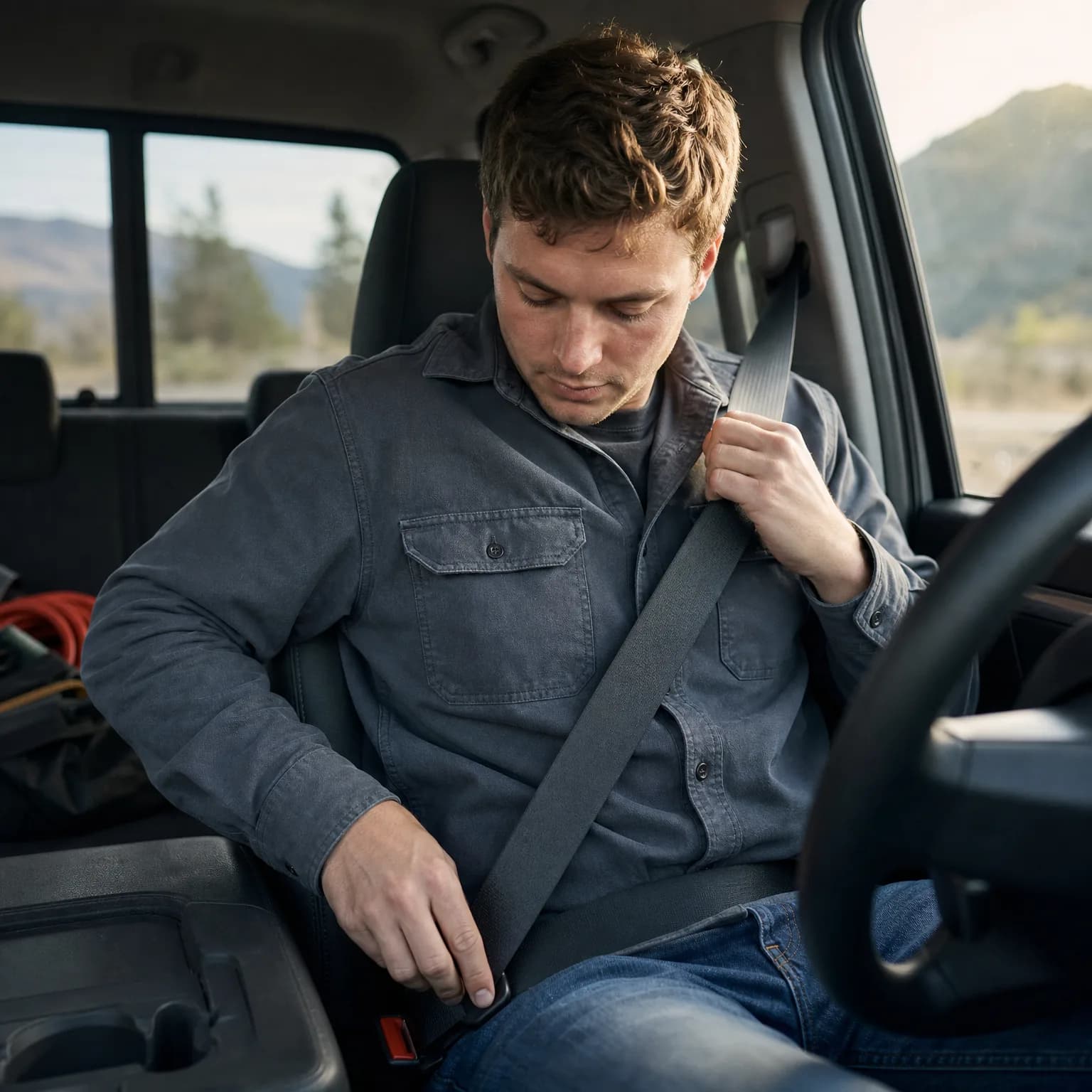
Which Colorado Carriers Write Multi-Car Policies
State Farm, Geico, Progressive, Allstate, Farmers, and American Family write multi-vehicle policies statewide and quote online. USAA writes preferred-tier multi-car coverage for military-affiliated households. Travelers, Liberty Mutual, Nationwide, and Hartford write standard-tier policies with agent or online access.
Non-standard carriers—Bristol West, Dairyland, Infinity, Kemper, The General, and National General—write multi-car policies for households with violations, lapses, or non-standard risk profiles. These carriers often structure the multi-car discount differently than standard-tier options, and total cost can vary widely even within the non-standard segment.
Preferred-tier carriers like Amica and Auto-Owners write multi-car policies for households with clean records and strong credit. These carriers typically deliver lower base rates but require broker contact or membership. If your household qualifies, the total premium often undercuts standard-tier options even without a large advertised discount.
$25,000 / $50,000 / $15,000
Colorado Minimum Liability Limits
Every vehicle on your policy must carry at least $25,000 bodily injury per person, $50,000 per accident, and $15,000 property damage. Households carrying only minimum coverage pay less per vehicle but face higher out-of-pocket risk at claim time.
Colorado Revised Statutes 10-4-620

Full Coverage Versus Minimum Coverage Across Multiple Vehicles
Minimum coverage—liability only—costs less per vehicle but leaves you paying out of pocket to repair or replace your own cars after an at-fault accident. Full coverage adds collision and comprehensive, covering damage to your vehicles regardless of fault. For newer or financed vehicles, lenders require full coverage. For older paid-off cars, the decision hinges on replacement cost.
A common structure: carry full coverage on the two newest vehicles and minimum coverage on the oldest. This balances premium cost against asset protection. If the oldest car is worth less than ten times the annual collision premium, dropping collision and comprehensive on that vehicle often makes financial sense. Keep comprehensive if theft or weather risk is high in your garaging area—Colorado's hail and theft rates justify comprehensive even on older vehicles in metro counties.
Compare Total Policy Cost, Not Per-Vehicle Rates
Request the total annual or monthly premium for all vehicles combined. Carriers that quote per-vehicle breakdowns often show the first car at a higher rate and subsequent cars discounted, but that structure is cosmetic—what matters is the bottom-line total.
Run quotes from at least three carriers in different tiers: one preferred (if you qualify), one standard, one non-standard (if applicable). Tier placement varies by carrier. A household one carrier rates as standard might land in preferred with another, and the tier shift often outweighs the multi-car discount percentage. The lowest total cost comes from the carrier that places your household in the most favorable tier and applies a competitive multi-car structure on top of that base rate.
How to Compare Carriers for Your Full Household
List every vehicle you own: year, make, model, VIN, and garaging address. Include the primary driver for each car. Carriers price multi-car policies by pairing vehicles with drivers, and mismatched assignments—putting your teen on the newest car when they actually drive the oldest—inflate quotes artificially. Accurate assignments produce accurate totals.
Request quotes with all vehicles included in the initial submission. Some carriers require every car to sit on one policy to qualify for the multi-car discount; others allow vehicles titled to different household members as long as they share a garaging address. Clarify same-policy requirements upfront. A discount that applies only when every vehicle consolidates onto one policy does not help a household that cannot meet that structure.
Get Your Free Quote
Get My Colorado Car Insurance QuoteFrequently Asked Questions
How much does insuring two cars cost in Colorado?
Total cost depends on each vehicle's year, make, coverage level, garaging ZIP code, and the drivers assigned to them. Colorado requires $25,000/$50,000/$15,000 minimum liability on every car. Carriers price multi-car policies differently—quote with all vehicles included to see the actual total.
Do all Colorado carriers offer a multi-car discount?
Most of Colorado's 27 carriers writing auto insurance offer some form of multi-vehicle discount, but the structure varies. Some require every vehicle on one policy; others allow separate policies as long as vehicles share a garaging address. Discount size and eligibility rules differ by carrier.
Can I insure three cars with different drivers on one policy in Colorado?
Yes, as long as every driver lives at the same address or is a listed household member. Carriers price the policy by pairing each vehicle with its primary driver. Accurate driver assignments produce accurate premiums—mismatched pairings inflate quotes.
Should I carry full coverage on all my vehicles in Colorado?
Full coverage makes sense for newer or financed vehicles. For older paid-off cars, compare the annual collision premium to the vehicle's replacement cost. If collision costs more than 10% of the car's value, dropping it and keeping comprehensive often balances cost and risk, especially in high-theft or hail-prone areas.
Which Colorado carriers write the cheapest multi-car policies?
The lowest-cost carrier varies by household—your vehicles, drivers, garaging address, and coverage selections shift which carrier delivers the best total premium. State Farm, Geico, Progressive, Allstate, and Farmers write multi-car policies statewide. Quote all your vehicles with at least three carriers to find the lowest total cost.