
Cheapest Car Insurance — Colorado
Free to compare
The Multi-Car Household Cheapest-Policy Trap
You own two or three cars, you're shopping for the lowest premium Colorado law allows, and every comparison tool shows you a different carrier at the top. The structural problem: Colorado's minimum liability requirement is $25,000 per person, $50,000 per accident, and $15,000 property damage — and with 19.7% of Colorado drivers uninsured as of 2023, the cheapest policy that meets the state floor often leaves your household with multiple vehicles exposed when an uninsured driver hits one of your cars.
This article walks the actual decision: how to structure coverage across your vehicles to meet Colorado's legal minimum, which carriers write the lowest combined premium for multi-car policies in this state, and where the cheapest option creates a gap that costs more at claim time than the premium you saved.
“The carrier with the lowest single-car quote is often not the cheapest for multiple vehicles — the discount structure matters more than the base rate.”

Get More Than the Colorado Minimum for Less
Get My Colorado Car Insurance Quote19.7%
Colorado Uninsured Motorist Rate
Nearly one in five Colorado drivers carries no insurance. When an uninsured driver hits your vehicle, your own uninsured-motorist coverage is the only recovery path — and the state does not require you to carry it.
Insurance Research Council, 2023
What Colorado Law Actually Requires
Colorado requires $25,000 bodily injury liability per person, $50,000 per accident, and $15,000 property damage liability. The state does not mandate personal injury protection or uninsured motorist coverage. Every vehicle registered in Colorado must carry proof of this minimum liability coverage or face suspension.
For a household with multiple cars, the minimum applies per vehicle. You cannot insure one car and leave the others uninsured. Each vehicle on the road must carry its own liability coverage, though combining them on one multi-car policy almost always lowers the total premium compared to separate policies.
The structural reality: Colorado's minimum is among the lowest in the country, and it has not changed in decades. A serious accident involving multiple injuries exhausts $50,000 quickly. When you own two or three vehicles, the odds that one of them is involved in a claim rise — and the cheapest policy that meets the state floor may not cover the actual loss.
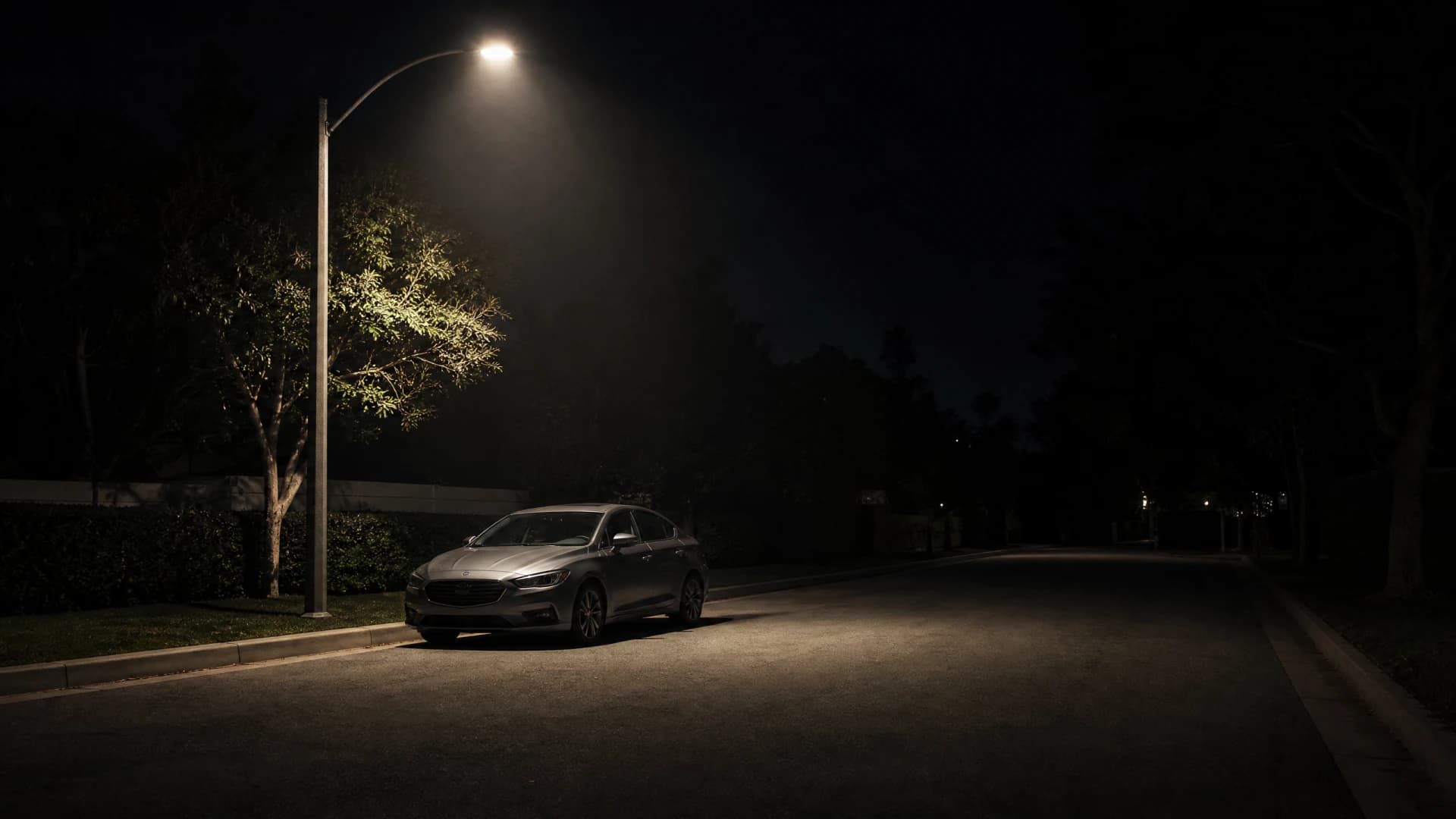
Colorado does not require uninsured motorist coverage, but 19.7% of drivers carry no insurance — the cheapest policy leaves you unprotected when one of them hits your car.
Related Articles






Which Colorado Carriers Write the Lowest Multi-Car Premiums
Geico, Progressive, State Farm, Allstate, and Farmers all write multi-car policies in Colorado and compete aggressively for households with multiple vehicles. Geico and Progressive typically quote lower for drivers with clean records and good credit. State Farm and Allstate often deliver lower combined premiums for households with a mix of driver ages or a minor violation on one driver's record. Farmers writes policies for households that other carriers decline.
Bristol West, Dairyland, Infinity, Kemper, and The General write non-standard auto insurance in Colorado and often quote lower for households with a DUI, suspended license, or lapse in coverage on one driver's record. These carriers accept higher-risk profiles that standard carriers will not write, but their base rates are higher — the multi-car discount may not offset the risk surcharge.
USAA writes the lowest combined premiums for eligible military households with multiple vehicles, but membership is restricted to active duty, veterans, and their families. CSAA requires membership in the Auto Club but often quotes lower for multi-car households in Colorado's Front Range metro areas.
The structural trap: the carrier with the lowest quote today may not be the cheapest at renewal. Colorado carriers re-rate policies annually based on claims experience, credit changes, and driver record updates. A household with three cars and two drivers sees more frequent re-rating events than a single-car household — locking into the cheapest carrier without understanding their renewal behavior can cost more over three years than choosing a carrier with a slightly higher initial quote but stable renewal pricing.
$25,000 / $50,000 / $15,000
Colorado Minimum Liability Limits
Colorado's minimum bodily injury and property damage liability limits have not changed in decades. A two-car accident with serious injuries exhausts the $50,000 per-accident cap quickly, leaving the at-fault driver personally liable for the remainder.
Colorado Division of Motor Vehicles

Where the Cheapest Policy Leaves You Exposed
A policy that meets Colorado's $25,000/$50,000/$15,000 minimum covers the other driver's injuries and property damage when you cause an accident. It does not cover your own vehicle, your own injuries, or damage caused by an uninsured driver who hits you. For a household with two or three cars, this creates three failure modes the cheapest policy does not address.
First: collision and comprehensive coverage are optional in Colorado, and the cheapest quotes exclude them. When you finance or lease a vehicle, the lender requires both. When you own the car outright, you decide whether the replacement cost justifies the premium. The cheapest policy assumes you can replace the vehicle out of pocket — for a household with multiple cars, that assumption may not hold for every vehicle.
Second: uninsured motorist coverage is optional in Colorado, and 19.7% of drivers carry no insurance. When an uninsured driver hits your car, your own uninsured-motorist coverage is the only recovery path. The cheapest policy omits it. For a household with multiple vehicles on the road daily, the probability that one of them is hit by an uninsured driver over a three-year period is material — and the cost of adding uninsured-motorist coverage to a multi-car policy is lower than the cost of replacing a totaled vehicle or paying medical bills out of pocket.
Third: the $50,000 per-accident bodily injury cap is exhausted quickly in a serious multi-injury accident. For a household with multiple vehicles and significant assets, the cheapest policy that meets the state minimum may expose you to a judgment that exceeds the premium you saved over five years.
How to Compare Carriers for Multiple Vehicles
Request quotes for all your vehicles on one policy from at least three carriers. Provide the same coverage selections — liability limits, collision and comprehensive deductibles, uninsured motorist limits — to each carrier so the quotes are comparable. A quote that excludes uninsured motorist coverage will always be lower than one that includes it, but the comparison is meaningless.
Ask each carrier how they calculate the multi-car discount and whether it applies to every vehicle or only to vehicles after the first. Ask whether the discount requires all vehicles to be garaged at the same address, and whether a vehicle titled to a household member not listed on the policy qualifies. These details change the combined premium and are not visible in the initial quote.
Compare the total annual premium, not the per-vehicle breakdown. The per-vehicle view hides the discount structure.
Next Step: Get Comparable Multi-Car Quotes
The cheapest Colorado car insurance for your household depends on how many vehicles you insure, where you garage them, and which coverage options you add beyond the state minimum. Geico, Progressive, State Farm, and the other carriers listed above all write multi-car policies in Colorado — the lowest combined premium comes from comparing their total-policy quotes with identical coverage selections across all your vehicles. Start with the carriers that write your driver profile, request quotes for every vehicle on one policy, and compare the annual total including the multi-car discount and any uninsured-motorist or collision coverage your household needs.
How Multi-Car Discounts Work in Colorado
Most Colorado carriers writing multi-car policies reduce the combined premium when you insure two or more vehicles under one policy number. The discount structure varies: some carriers apply a percentage reduction to each vehicle after the first, others reduce the base rate across all vehicles. The discount typically requires that every car be garaged at the same address and titled to a household member on the policy. A vehicle titled to someone outside the household, or garaged elsewhere, may not qualify.
The cheapest carrier for a single car is often not the cheapest for multiple vehicles. A carrier with a higher base rate but a larger multi-car discount can deliver a lower combined premium than a carrier with the lowest single-vehicle rate. Comparing carriers on a per-vehicle basis misses this structural difference — you need the total premium for all your vehicles on one policy to identify the actual lowest cost.
Get Your Free Quote
Get My Colorado Car Insurance QuoteFrequently Asked Questions
What is the cheapest car insurance company in Colorado for multiple cars?
Geico and Progressive typically quote the lowest combined premiums for Colorado households with clean driving records insuring two or more vehicles on one policy. State Farm and Allstate often deliver lower totals for households with a mix of driver ages or a minor violation. The cheapest carrier for your household depends on your specific driver profiles, vehicle types, and coverage selections — compare total-policy quotes from at least three carriers.
Does Colorado require uninsured motorist coverage?
No. Colorado does not mandate uninsured motorist coverage, but 19.7% of Colorado drivers carry no insurance as of 2023. When an uninsured driver hits your vehicle, your own uninsured-motorist coverage is the only recovery path — without it, you pay out of pocket for repairs and medical bills.
How much does the multi-car discount save in Colorado?
The multi-car discount structure varies by carrier. Some apply a percentage reduction to each vehicle after the first; others reduce the base rate across all vehicles. The discount requires every vehicle to sit on the same policy, often garaged at the same address. Comparing total annual premiums across carriers shows the actual savings — a larger discount on a higher base rate can beat a smaller discount on a lower one.
Can I insure two cars with different companies in Colorado?
Yes, but you lose the multi-car discount. Insuring each vehicle on a separate policy costs more than combining them on one multi-car policy with the same carrier. The only scenario where separate policies make sense is when one driver carries a high-risk profile that would raise the entire household's premium more than the multi-car discount saves.
What happens if I only carry Colorado's minimum liability coverage?
Colorado's $25,000/$50,000/$15,000 minimum liability covers the other driver's injuries and property damage when you cause an accident. It does not cover your own vehicle, your own injuries, or damage caused by an uninsured driver. For a household with multiple vehicles, the cheapest policy that meets the state floor often leaves you underinsured when a serious claim occurs.
Do all Colorado carriers offer multi-car discounts?
Most carriers writing auto insurance in Colorado offer a multi-car discount when you insure two or more vehicles on one policy. The discount structure, eligibility requirements, and percentage reduction vary by carrier. Geico, Progressive, State Farm, Allstate, Farmers, USAA, and other standard carriers all write multi-car policies — request quotes from several to compare total premiums.