
Minimum Liability Coverage Limits — Colorado
Free to compare
What Colorado Requires When You Add a Second Vehicle
You just bought a second car and you need to know whether adding it to your existing policy changes the coverage you must carry. Colorado's minimum liability requirement is $25,000 per person for bodily injury, $50,000 per accident for bodily injury, and $15,000 per accident for property damage. Those limits apply to the policy, not to each vehicle individually.
When you add a second vehicle to your existing Colorado policy, the same liability limits cover both cars. You do not need to double the coverage or carry separate limits for each vehicle. The policy limit is the maximum the carrier pays per accident, regardless of which vehicle on the policy was involved. This structure is the same whether you insure one car or four — the per-accident ceiling stays fixed unless you choose to raise it.
“The liability limit applies per accident, not per vehicle — a three-car policy at minimum limits has the same per-accident ceiling as a one-car policy.”
Get More Than the Colorado Minimum for Less
Get My Colorado Car Insurance Quote$25,000/$50,000/$15,000
Colorado Minimum Liability
Colorado requires $25,000 per person for bodily injury, $50,000 per accident for bodily injury, and $15,000 per accident for property damage. These limits apply per accident, not per vehicle on the policy.
Colorado Revised Statutes 10-4-620
How One Policy Covers Multiple Vehicles Under the Same Limits
The liability limit on your policy is the maximum the carrier pays for a single accident. If you cause an accident while driving either vehicle on a two-car policy with Colorado's minimum limits, the carrier pays up to $25,000 per injured person, $50,000 total for all injuries, and $15,000 for property damage. The limit does not multiply because you own two cars.
This means a household with three vehicles on one policy and minimum liability coverage has the same per-accident protection as a household with one vehicle at the same limits. The number of vehicles on the policy does not change the coverage ceiling. What changes is the premium — adding a vehicle re-rates the policy based on the additional car's make, model, year, and garaging address, plus the drivers who have access to it.
Many drivers assume each vehicle carries its own liability stack. That is not how auto insurance works in Colorado or any other state. The policy is the contract; the vehicles listed on it are the covered assets. The liability limit applies per occurrence, and an occurrence is an accident, not a vehicle.
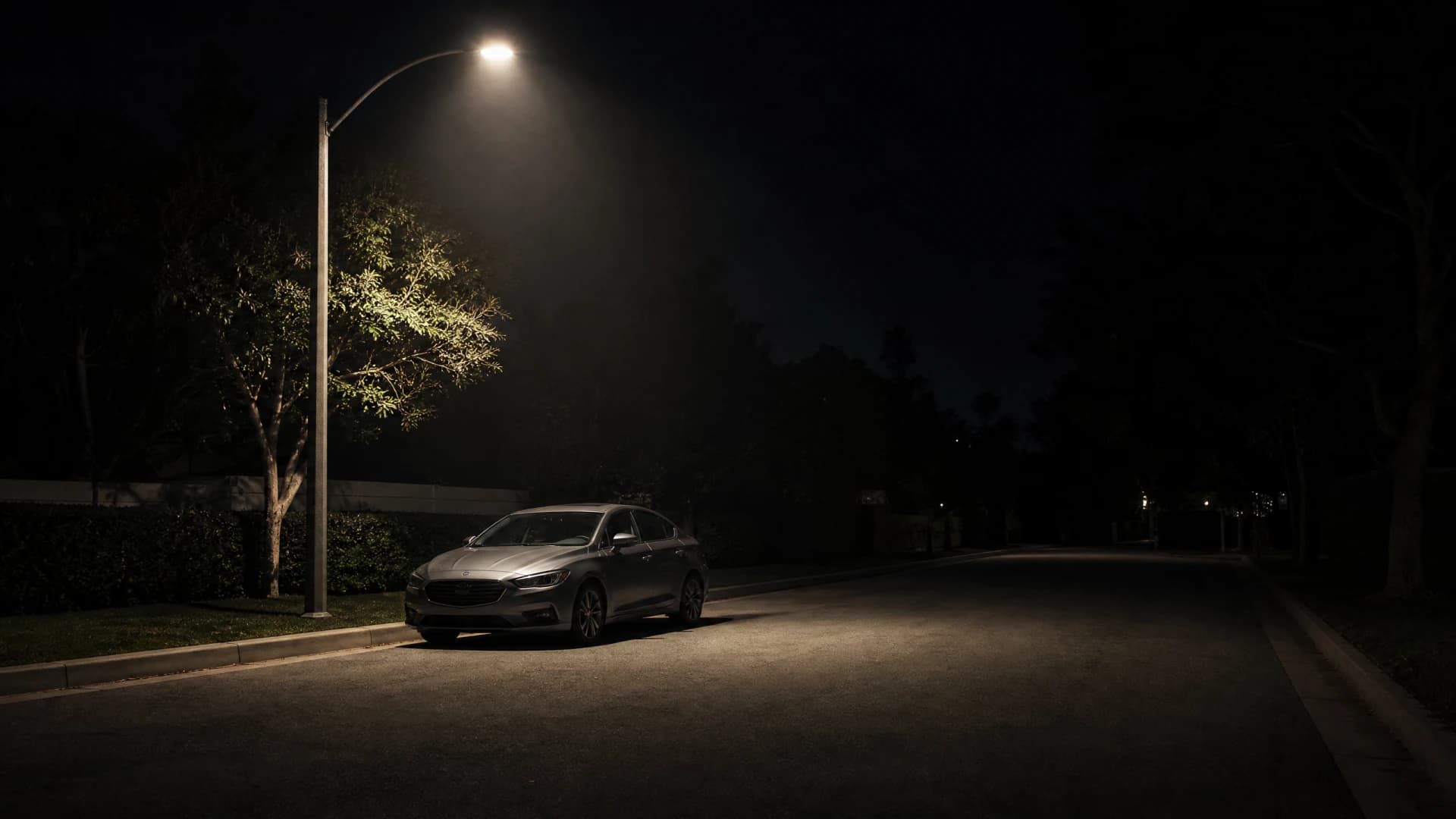
The per-accident liability limit stays the same whether you insure one car or five. Adding vehicles re-rates the policy but does not multiply the coverage ceiling.





How Adding a Vehicle Changes Your Premium
Adding a second or third vehicle to your Colorado policy re-rates the entire policy. The carrier recalculates the premium based on every vehicle listed, every driver with access to those vehicles, and the garaging address for each car. The new premium is not your old premium plus a flat per-vehicle amount — it is a new total that reflects the combined risk of the household.
Most carriers apply a multi-car discount when you insure two or more vehicles on the same policy. The discount typically requires every vehicle to sit on one policy and share the same garaging address. The discount percentage and the eligibility rules vary by carrier. Some carriers reduce the premium on every vehicle after the first; others reduce the total policy premium. The discount does not guarantee that insuring two cars costs less than insuring one — it means the combined premium is lower than it would be without the discount.
When you add a vehicle mid-term, the carrier re-rates the policy immediately and charges a prorated premium for the remainder of the term. At renewal, the full annual premium reflects all vehicles on the policy. If you remove a vehicle, the carrier re-rates again and refunds the prorated premium for the removed car. The liability limits you carry do not change unless you request a change — adding or removing a vehicle adjusts the premium, not the coverage ceiling.
19.7%
Colorado Uninsured Motorist Rate
Nearly one in five Colorado drivers carries no insurance. Uninsured motorist coverage is not required by the state, but it pays your medical bills and vehicle damage when an uninsured driver hits you and your minimum liability policy does not cover your own losses.
Insurance Research Council, 2023

When Minimum Liability Is Not Enough
Colorado's minimum limits leave you exposed when the damage you cause exceeds the policy ceiling. A serious injury accident can produce medical bills in the hundreds of thousands. A totaled luxury vehicle or a multi-car pileup can exceed the $15,000 property damage limit in seconds. When your liability exceeds the policy limit, the injured party can sue you personally for the difference, and a judgment can attach to your wages, your bank accounts, and your assets.
Households with multiple vehicles often carry higher liability limits because the risk of a serious accident scales with the number of cars and drivers. A household with three cars, two working adults, and a teenage driver has more exposure than a single-driver household with one vehicle. Many carriers charge less to raise liability limits than to add collision or comprehensive coverage.
Compare Carriers That Write Multi-Vehicle Policies in Colorado
Colorado licenses carriers that specialize in multi-vehicle households and carriers that write minimum-liability policies for single-car drivers. The carrier roster in Colorado includes Allstate, American Family, Geico, Progressive, State Farm, Farmers, Nationwide, USAA, Travelers, Liberty Mutual, and others. Not every carrier offers the same multi-car discount structure, and not every carrier writes policies for households with teen drivers or multiple high-value vehicles.
When you compare carriers, ask how the multi-car discount applies — whether it reduces the premium on each vehicle after the first or reduces the total policy premium, and whether the discount requires all vehicles to garage at the same address. Ask how adding a vehicle mid-term affects the premium and whether the carrier re-rates the entire policy or charges a flat fee per added car. The answers vary by carrier. Request quotes from at least three carriers that write multi-vehicle policies in Colorado and compare the total annual premium, not just the per-vehicle cost. The lowest per-vehicle rate does not always produce the lowest total when you insure multiple cars.
What the Minimum Liability Limits Actually Pay For
Bodily injury liability pays medical bills, lost wages, and legal costs when you injure someone in an accident you caused. The $25,000 per-person limit is the maximum the carrier pays for one injured person; the $50,000 per-accident limit is the total the carrier pays for all injuries in that accident combined. If three people are injured and their combined medical bills exceed $50,000, you pay the difference out of pocket.
Property damage liability pays to repair or replace the other driver's vehicle and any other property you damage — a fence, a mailbox, a building. The $15,000 limit is the maximum the carrier pays per accident. Colorado does not require collision coverage, comprehensive coverage, or any coverage that pays for your own vehicle when you are at fault or when the other driver is uninsured.
Get Your Free Quote
Get My Colorado Car Insurance QuoteFrequently Asked Questions
Do I need separate liability coverage for each vehicle on my Colorado policy?
No. Colorado's minimum liability limits apply per accident, not per vehicle. One policy with $25,000/$50,000/$15,000 liability covers every vehicle listed on it under the same per-accident ceiling. Adding a second or third car does not require separate liability limits.
Does adding a second vehicle to my Colorado policy double my liability coverage?
No. The liability limit is the maximum the carrier pays per accident, regardless of how many vehicles are on the policy. Adding a second vehicle re-rates the premium but does not change the per-accident coverage ceiling unless you request higher limits.
What happens if I cause an accident in Colorado and the damage exceeds my minimum liability limits?
You pay the difference out of pocket. If medical bills exceed $50,000 or property damage exceeds $15,000, the injured party can sue you personally for the remaining amount. A judgment can attach to your wages and assets.
Does Colorado require uninsured motorist coverage when I insure multiple vehicles?
No. Colorado does not require uninsured motorist coverage. However, 19.7% of Colorado drivers carry no insurance, and uninsured motorist coverage pays your medical bills and vehicle damage when an uninsured driver hits you and your minimum liability policy does not cover your own losses.
How does the multi-car discount work in Colorado?
Most Colorado carriers reduce the premium when you insure two or more vehicles on one policy. The discount typically requires all vehicles to sit on the same policy and garage at the same address. The discount percentage and structure vary by carrier — some reduce each vehicle's premium after the first, others reduce the total policy premium.
Can I insure two vehicles on separate policies in Colorado?
Yes, but you lose the multi-car discount. Most carriers apply the discount only when every vehicle sits on one policy. Insuring two cars on separate policies typically costs more than combining them, even when both policies carry minimum liability limits.
What is the minimum liability coverage required in Colorado?
$25,000 per person for bodily injury, $50,000 per accident for bodily injury, and $15,000 per accident for property damage. These limits apply per accident and cover every vehicle on the policy.