
Full Coverage Car Insurance — Colorado
Free to compare
The Multi-Vehicle Coverage Decision
You own two cars. Colorado law requires $25,000 per person and $50,000 per accident in bodily injury liability, plus $15,000 in property damage liability. That is the floor. Full coverage—liability plus collision and comprehensive—is not legally required unless a lender or lease company demands it. When you insure multiple vehicles on one policy, the question is not whether full coverage exists as a product. The question is whether you need it on every car, or whether selective coverage makes more sense.
Single-car households face a binary choice: carry full coverage or drop it. Multi-vehicle households face a structure problem. One car may be financed and require full coverage by contract. Another may be paid off, older, or driven rarely. Applying the same coverage level to every vehicle because it simplifies the policy often costs more than the protection justifies. The decision is vehicle-specific, not policy-wide.
“Mixing full coverage and liability-only across vehicles on the same policy is standard practice and does not affect multi-car discount eligibility.”

Get More Than the Colorado Minimum for Less
Get My Colorado Car Insurance Quote$25,000 / $50,000 / $15,000
Colorado Minimum Liability
Colorado requires $25,000 bodily injury per person, $50,000 per accident, and $15,000 property damage. This is the legal floor. Collision and comprehensive are optional unless a lender requires them.
Colorado Division of Motor Vehicles, Compulsory Insurance Law C.R.S. 42-4-1409
What Full Coverage Actually Covers
Full coverage is not a product name. It is shorthand for a policy that includes liability, collision, and comprehensive. Liability pays the other driver's damages when you cause an accident. Collision pays to repair your own vehicle after a crash, regardless of fault. Comprehensive pays for non-collision damage: theft, hail, vandalism, fire, animal strikes. The three together cover most loss scenarios.
Lenders and lease companies require collision and comprehensive because the vehicle secures the loan. If the car is totaled and you carry only liability, the lender loses collateral. The requirement appears in the financing contract, not in Colorado law. Once the loan is paid off, the lender's requirement ends. Whether you keep collision and comprehensive at that point is a financial decision, not a legal one.
Collision and comprehensive each carry a deductible—the amount you pay before the insurer pays the rest. A $500 or $1,000 deductible is standard. Higher deductibles lower the premium. The deductible applies per claim, not per policy. If you file two collision claims in one year on two different vehicles, you pay the deductible twice.
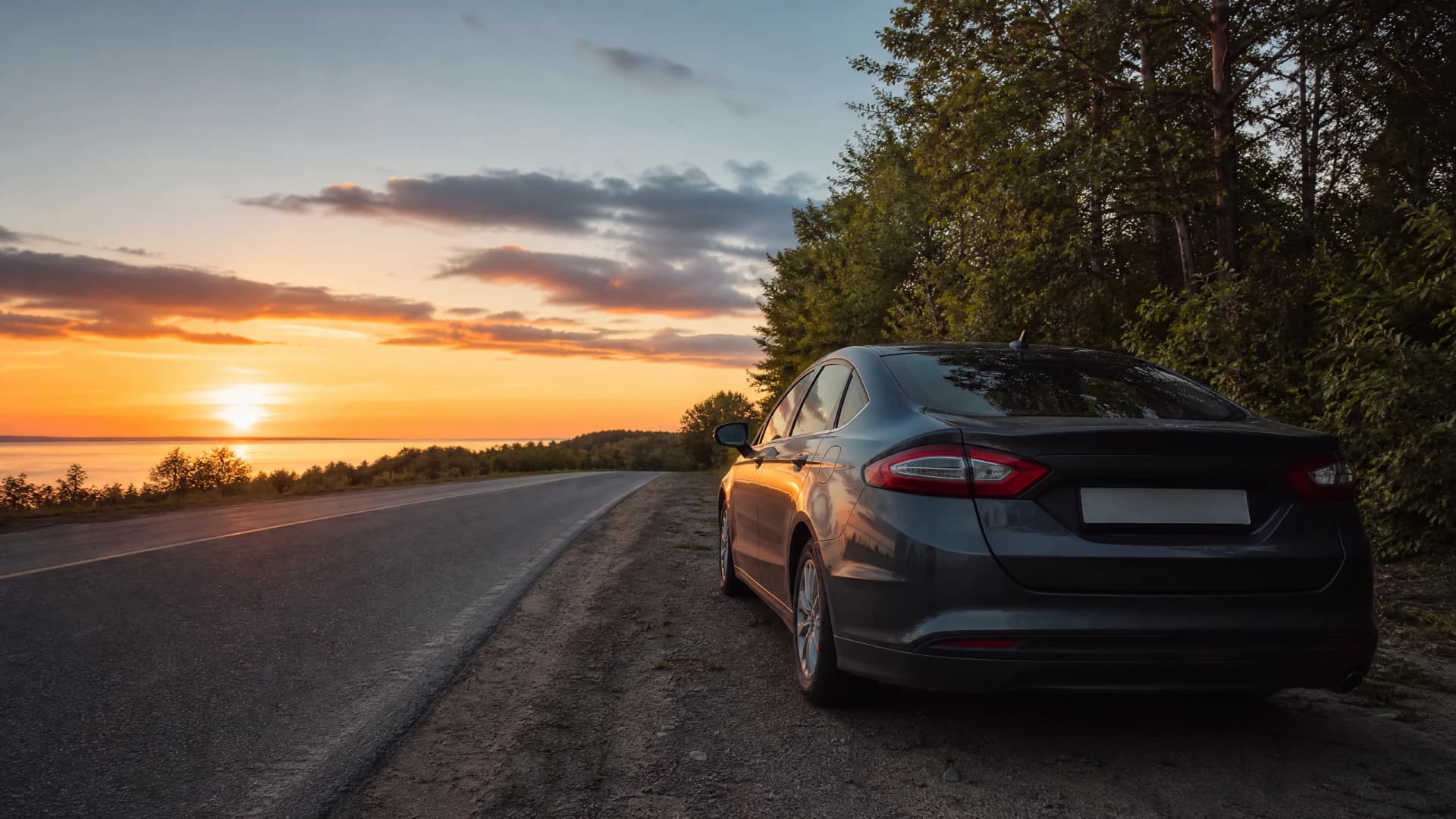
A financed car requires full coverage by contract. A paid-off car does not. Mixing coverage levels across vehicles on the same policy is standard practice.
Related Articles





Failure Modes When Structuring Coverage
Households that apply full coverage to every vehicle without checking vehicle value overpay. That math does not favor the coverage.
The opposite failure: dropping collision and comprehensive on a financed vehicle because the household budget is tight. The lender will force-place coverage at a higher cost and back-charge the borrower. Force-placed insurance covers only the lender's interest, not the borrower's, and costs significantly more than voluntary coverage. Verify loan payoff status before dropping coverage.
A third failure mode: assuming the multi-car discount requires identical coverage on every vehicle. It does not. The discount applies when multiple vehicles sit on the same policy. Coverage levels per vehicle are independent. Mixing full coverage and liability-only across vehicles is standard practice and does not affect discount eligibility.
19.7%
Colorado Uninsured Motorist Rate
Nearly one in five Colorado drivers carries no insurance. Uninsured motorist coverage protects you when an at-fault driver cannot pay. It is optional in Colorado but worth considering on vehicles that carry collision and comprehensive.
Insurance Research Council, 2023

Uninsured Motorist Coverage in a Multi-Vehicle Context
Colorado does not require uninsured motorist coverage, but 19.7% of drivers on Colorado roads carry no insurance. Uninsured motorist bodily injury pays your medical bills and lost wages when an uninsured driver causes an accident. Underinsured motorist coverage pays when the at-fault driver's liability limits are too low to cover your damages. Both are optional add-ons.
When you carry uninsured motorist coverage on a multi-vehicle policy, it typically applies per vehicle. Some carriers offer stacked uninsured motorist coverage, which combines limits across all vehicles on the policy. Stacked coverage costs more but provides higher total limits. Non-stacked coverage applies only the limit listed for the vehicle you were driving at the time of the accident. Check your policy declarations page to confirm which structure your carrier uses.
Compare Carriers That Write Multi-Vehicle Policies in Colorado
Colorado has a deep carrier roster. Allstate, American Family, Farmers, Geico, Liberty Mutual, Progressive, State Farm, Travelers, and USAA all write multi-vehicle policies in the state. Rates vary by carrier, and the variance widens when you compare policies with different coverage levels across vehicles. One carrier may price full coverage on vehicle one and liability-only on vehicle two more competitively than another. The only way to know is to compare quotes with identical coverage structures.
Request quotes that reflect your actual coverage plan: full coverage on financed vehicles, liability-only on paid-off older vehicles, and uninsured motorist coverage if you want it. Do not accept a quote that assumes full coverage on every vehicle unless that matches your intent. Carriers that specialize in multi-vehicle households—Progressive, Geico, State Farm—often price selective-coverage structures more competitively than carriers that assume uniform coverage across all vehicles. Compare at least three carriers before committing.
How Selective Coverage Works Across Multiple Vehicles
Carrier systems allow per-vehicle coverage selection. Vehicle one can carry full coverage while vehicle two carries liability only. The multi-car discount applies to the policy, not to individual coverage levels. Dropping collision and comprehensive on one vehicle does not forfeit the discount on the other. The same-policy requirement for the multi-car discount refers to vehicles being on one policy, not to those vehicles carrying identical coverage.
The decision hinges on vehicle value and replacement cost. A newer financed car justifies full coverage because the lender requires it and because the replacement cost is high. If the vehicle is totaled, the insurer pays actual cash value minus the deductible. When that payout is close to or below the annual cost of collision and comprehensive, the coverage does not pencil.
Get Your Free Quote
Get My Colorado Car Insurance QuoteFrequently Asked Questions
Does Colorado require full coverage car insurance?
No. Colorado requires liability insurance: $25,000 per person and $50,000 per accident in bodily injury, plus $15,000 in property damage. Collision and comprehensive are optional unless a lender or lease company requires them by contract.
Can I carry full coverage on one car and liability-only on another on the same policy?
Yes. Multi-vehicle policies allow different coverage levels per vehicle. The multi-car discount applies to the policy, not to individual coverage selections. Mixing coverage levels is standard practice.
When does full coverage stop making sense on an older car?
When the vehicle's market value minus the deductible is close to or below the annual cost of collision and comprehensive. Below that, the maximum payout often does not justify the premium.
What happens if I drop collision and comprehensive on a financed car?
The lender will force-place coverage at a higher cost and back-charge you. Force-placed insurance covers only the lender's interest, not yours, and costs significantly more than voluntary coverage. Verify loan payoff status before dropping coverage.
Is uninsured motorist coverage required in Colorado?
No. Colorado does not require uninsured motorist coverage, but 19.7% of drivers carry no insurance. Uninsured motorist bodily injury and underinsured motorist coverage are optional add-ons worth considering on vehicles that carry collision and comprehensive.
Does the multi-car discount apply if vehicles have different coverage levels?
Yes. The multi-car discount applies when multiple vehicles sit on the same policy. Coverage levels per vehicle are independent. Dropping collision and comprehensive on one vehicle does not forfeit the discount on another.
Which Colorado carriers write multi-vehicle policies with selective coverage?
Allstate, American Family, Farmers, Geico, Liberty Mutual, Progressive, State Farm, Travelers, and USAA all write multi-vehicle policies in Colorado. Carriers that specialize in multi-vehicle households often price selective-coverage structures more competitively.