
Farmers Multi-Car Insurance — Colorado
Free to compare
Farmers Writes Multi-Car Policies in Colorado
Farmers Insurance writes auto policies in Colorado and accepts multiple vehicles on a single policy. The carrier is licensed statewide through the union of Farmers Group entities operating in the state, and offers standard-tier coverage including SR-22 filing, non-owner policies, and after-DUI coverage. If you're adding a second or third car to your household, Farmers will quote you a multi-vehicle policy.
The structural reality households miss: Farmers' multi-car discount requires every vehicle to sit on the same policy. If you own three cars but insure two with Farmers and one with another carrier, you do not qualify for the multi-vehicle discount on any of them. The discount applies only when all household vehicles share one policy number, and often requires all cars to be garaged at the same address.
“Farmers' multi-car discount applies only when every household vehicle sits on one policy—splitting cars across two policies forfeits the discount on both.”
Get More Than the Colorado Minimum for Less
Get My Colorado Car Insurance Quote$25,000 / $50,000 / $15,000
Colorado Minimum Liability Limits
Colorado requires $25,000 bodily injury per person, $50,000 per accident, and $15,000 property damage. These minimums apply to every vehicle on your policy, whether you insure one car or five.
Colorado Division of Motor Vehicles, Compulsory Insurance Law C.R.S. 42-4-1409
Same-Policy Requirement Blocks Split Coverage
The multi-car discount is not a household discount. It is a same-policy discount. Farmers calculates the discount based on the number of vehicles listed on one policy, not the number of cars your household owns across all carriers. If you insure two cars with Farmers and your spouse insures a third car on a separate Farmers policy under their own name, neither policy qualifies for the multi-vehicle discount.
This structure trips up households in three common situations. First, when spouses combine households after marriage and each brings an existing policy—they assume keeping both policies active preserves continuity, but splitting the vehicles across two policies forfeits the discount on both. Second, when a household adds a teen driver's car and titles it in the teen's name on a separate policy to avoid re-rating the family policy—the teen's policy pays full single-vehicle rates and the family policy loses the multi-car discount. Third, when a household owns a rarely-driven classic or seasonal vehicle and insures it separately to avoid year-round premiums—the split forfeits the discount on the daily-driver policy.
Combining policies re-rates the entire household. Adding a third vehicle to an existing two-car policy does not simply append a flat amount—it recalculates the premium for all three vehicles based on the new risk pool. If the third car is a high-value SUV or driven by a young driver, the combined premium can exceed the sum of two separate policies even after the multi-car discount. The decision is not automatic.
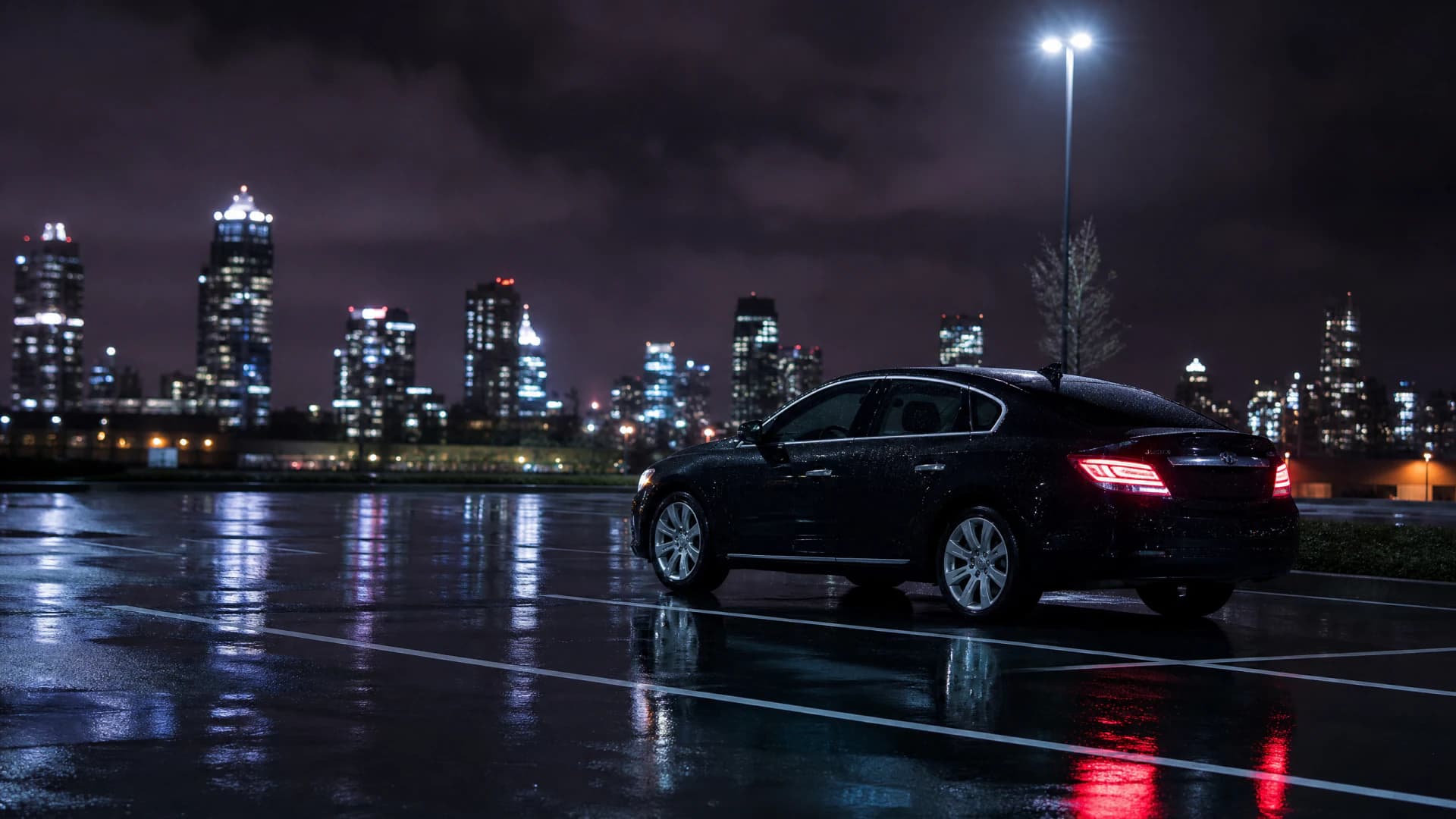
Farmers' multi-car discount applies only when every household vehicle sits on one policy. Splitting cars across two policies—even two Farmers policies—forfeits the discount on both.
Related Articles



How Adding a Vehicle Re-Rates the Policy
Adding a vehicle mid-term does not prorate a flat amount onto your existing premium. Farmers recalculates the entire policy effective the date the new vehicle is added. The new premium reflects the combined risk of all vehicles, all drivers, and all coverage selections across the policy. If you add a third car on day 90 of a six-month term, you pay the new higher premium for the remaining 90 days, and the next renewal reflects the full annual cost of the three-car policy.
The re-rating can surface surprises. A household adding a low-value commuter car to a policy covering two high-value SUVs may see the premium drop if the commuter car pulls the average vehicle value down and qualifies the household for a larger multi-car discount. Conversely, adding a sports car or a vehicle driven by a young driver can push the combined premium above the sum of two separate policies. The only way to know is to request a quote with all vehicles listed before binding the change.
Farmers provides a grace period for newly-purchased vehicles. If you buy a car and already have an active Farmers policy covering at least one other vehicle, the new car is automatically covered under your existing policy's liability and physical-damage limits for a short window—typically 14 to 30 days depending on state law and your policy terms. That grace period does not mean the coverage is free: Farmers will backdate the premium adjustment to the purchase date once you report the vehicle. If you do not report the new car within the grace window, coverage can be denied at claim time.
19.7%
Colorado Uninsured Motorist Rate
Nearly one in five Colorado drivers operates without insurance. Uninsured-motorist coverage protects your household when an at-fault driver cannot pay, and costs less per vehicle when added to a multi-car policy than when purchased separately.
Insurance Research Council, 2023

Comparing Farmers Against Other Colorado Carriers
Farmers is one of 25 carriers writing standard-tier auto insurance in Colorado. The carrier roster includes State Farm, Geico, Progressive, Allstate, Liberty Mutual, Nationwide, Travelers, USAA, American Family, and others. Not all carriers write multi-car policies the same way. Some calculate the discount per vehicle; others apply it to the total policy premium. Some require all vehicles to be garaged at the same address; others allow different garaging locations within the same rating territory. Some offer online quoting for multi-car policies; others require a phone call or agent appointment.
The decision is not about finding the cheapest carrier. It is about finding the carrier whose policy structure fits your household's vehicle and driver mix. A carrier offering a large multi-car discount on a high base rate can cost more than a carrier with a smaller discount on a lower base rate. A carrier that allows different garaging addresses can save a household with a college student's car hundreds of dollars compared to a carrier that forces a separate policy. The only way to compare accurately is to request quotes from multiple carriers with identical coverage limits and all household vehicles listed.
Next Step: Compare Multi-Car Quotes
Farmers writes multi-car policies in Colorado, but whether Farmers offers the best structure for your household depends on how many vehicles you insure, where they are garaged, and who drives them. Request quotes from at least three carriers writing multi-vehicle policies in Colorado. Provide identical information to each: every vehicle's year, make, model, and garaging address; every driver's age, license status, and violation history; and the same coverage limits and deductibles across all quotes. Compare the total annual premium, the per-vehicle breakdown, and the policy's restrictions on garaging addresses and named drivers. The carrier that fits your household's structure will be clear from the quotes.
What Farmers Requires for Multi-Car Coverage
Every vehicle must be titled or registered to a person listed on the policy. If your adult child owns a car titled in their name but lives at a different address, Farmers will not add that vehicle to your policy—it must go on a separate policy in the child's name. If a household member co-owns a vehicle with someone outside the household, the vehicle typically cannot be added without adding the co-owner as a named insured, which re-rates the policy based on that person's driving record.
All vehicles must be garaged at the same address. Farmers defines the garaging address as the location where the vehicle is parked overnight most often, not the address on the registration. If you own a weekend cabin and keep a second car there year-round, that car must be listed with the cabin's address as its garaging location—and Farmers may require it on a separate policy if the cabin is in a different rating territory. A college student's car garaged at a dorm 200 miles away can stay on the family policy only if the student is listed as an occasional driver and the car returns home during breaks; if the car stays at school year-round, it must be re-garaged to the school address and may trigger a separate policy requirement.
Get Your Free Quote
Get My Colorado Car Insurance QuoteFrequently Asked Questions
Does Farmers offer a multi-car discount in Colorado?
Yes, Farmers offers a multi-car discount in Colorado, but every vehicle must be listed on the same policy to qualify. If you insure two cars with Farmers and a third car on a separate policy—even another Farmers policy—neither policy qualifies for the discount.
Can I add my spouse's car to my Farmers policy in Colorado?
You can add your spouse's car to your Farmers policy if the vehicle is titled or registered to you, your spouse, or both, and if the car is garaged at the same address as your other vehicles. If your spouse's car is titled solely in their name and garaged elsewhere, Farmers may require a separate policy.
How long do I have to report a new car to Farmers in Colorado?
Farmers provides a grace period—typically 14 to 30 days depending on your policy terms—during which a newly-purchased vehicle is automatically covered under your existing policy's limits. You must report the vehicle within that window or coverage can be denied at claim time.
Does adding a third car to my Farmers policy lower my premium?
Not always. Adding a vehicle re-rates the entire policy based on the combined risk of all cars and drivers. A low-value commuter car may lower your premium; a high-value SUV or a car driven by a young driver may raise it. Request a quote before binding the change.
Can I insure cars garaged at two addresses on one Farmers policy in Colorado?
Farmers typically requires all vehicles on a multi-car policy to be garaged at the same address. If a vehicle is garaged at a second location year-round—such as a college student's dorm or a vacation property—Farmers may require it on a separate policy or re-garage it to the second address, which can change the premium.