
Choosing a Car Insurance Company — Colorado
Free to compare
The Multi-Car Carrier Decision
You're shopping for car insurance in Colorado with two or more vehicles to cover, and you've discovered that the carrier offering the lowest quote for one car either won't insure your second vehicle, requires separate policies that don't qualify for the multi-car discount, or structures coverage in a way that doesn't fit how your household actually uses its cars. The cheapest single-car quote is worthless when it can't accommodate the household's full vehicle roster.
The carrier decision for a multi-vehicle household turns on three structural questions before price enters the frame: does the carrier write all your vehicles on one policy, does it offer the multi-car discount and what does that discount require, and how does it handle mid-term vehicle additions when you buy or sell a car. Colorado has 27 carriers writing auto insurance statewide, but not all write multi-car policies the same way.
“A carrier that won't write all your vehicles on one policy cannot deliver the multi-car discount, regardless of the single-car quote.”

Get More Than the Colorado Minimum for Less
Get My Colorado Car Insurance Quote$25,000 / $50,000 / $15,000
Colorado Minimum Liability
Colorado requires $25,000 bodily injury per person, $50,000 per accident, and $15,000 property damage. Every vehicle on your policy must carry at least these limits. When you add a second or third car, the carrier re-rates the entire policy based on all vehicles and all drivers.
Colorado Revised Statutes 42-4-1409
Same-Policy Requirement for the Multi-Car Discount
The multi-car discount applies when every vehicle you own sits on the same policy. If one car is on Policy A and another on Policy B — even if both policies are with the same carrier — the discount does not apply. The same-policy requirement is structural, not negotiable.
This creates a carrier-selection problem when one vehicle in your household falls outside a carrier's underwriting appetite. A teenage driver's car, a commercial-use vehicle, a classic car driven fewer than 2,500 miles per year, or a vehicle titled to a household member with a suspended license may not qualify for the same policy that covers your daily drivers. When that happens, you either place the non-qualifying vehicle with a different carrier and lose the multi-car discount on all vehicles, or you find a carrier that writes all of them together.
Colorado carriers vary widely in what they'll write on a single multi-car policy. Standard carriers like State Farm, Geico, and Progressive write most household combinations. Non-standard carriers like Bristol West, Dairyland, Infinity, Kemper, National General, and The General write vehicles and drivers that standard carriers decline, but their multi-car discount structures differ. Some non-standard carriers require every driver in the household to be rated on the policy even if they don't drive every car; others allow excluded drivers.
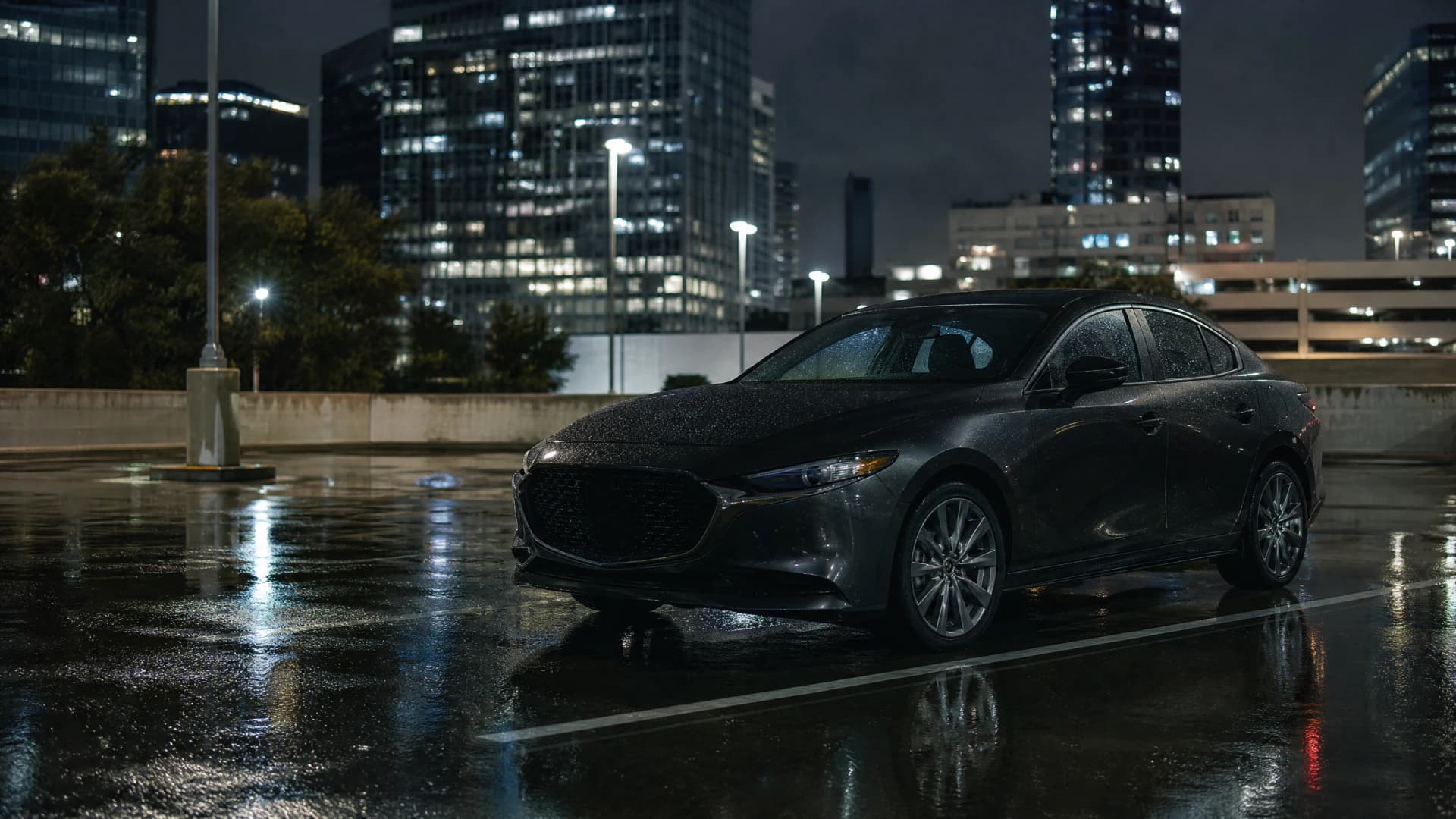
A carrier that won't write all your vehicles on one policy cannot deliver the multi-car discount, no matter how low the single-car quote appears.
Related Articles







How Adding a Vehicle Re-Rates the Policy
When you add a second or third vehicle to an existing policy, the carrier does not simply append a flat amount to your current premium. It re-rates the entire policy: every vehicle, every driver, every coverage selection, and every discount. The multi-car discount applies to the new combined premium, but other discounts may change or disappear.
A household that adds a third vehicle may see the per-vehicle cost drop because the multi-car discount increases, or it may see the total premium jump because the new vehicle is a higher-risk model, garages in a different ZIP code, or is driven by a household member with a worse driving record than the existing drivers. The only way to know the actual cost is to request a quote with all vehicles included.
Some carriers allow you to add a vehicle online or by phone and see the new premium immediately. Others require underwriting review, especially when the new vehicle is a commercial-use truck, a high-performance car, or a vehicle titled to someone outside the household. Geico, Progressive, State Farm, and USAA offer online vehicle-addition tools. Carriers that require agent involvement — Auto-Owners, Shelter, Southern Farm Bureau — take longer but may write vehicle combinations that direct-to-consumer carriers decline.
Colorado gives you a grace period to add a newly-purchased vehicle to your existing policy before coverage lapses, but the length of that grace period varies by carrier — typically 14 to 30 days. If you don't report the new vehicle within the grace window, it is not covered, and a claim on that vehicle will be denied. When you're comparing carriers, ask how long the grace period runs and whether you can add the vehicle yourself or must contact the carrier.
27 carriers
Colorado Auto Insurance Roster
Colorado's carrier roster includes 27 companies writing personal auto insurance statewide. Not all write multi-car policies, and not all that do write every vehicle combination. Comparing carriers means identifying which write your household's specific vehicles and drivers on one policy.
Colorado Division of Insurance

Coverage Decisions Across Multiple Vehicles
When you insure multiple vehicles on one policy, you choose coverage levels for each vehicle individually. Colorado requires every vehicle to carry at least $25,000 / $50,000 / $15,000 liability, but you can carry higher limits, add collision and comprehensive, or buy uninsured motorist coverage for some vehicles and not others.
A common structure: carry full coverage (liability, collision, comprehensive, uninsured motorist) on financed or leased vehicles where the lender requires it, and carry liability-only on older paid-off vehicles where the replacement cost doesn't justify collision and comprehensive premiums. The multi-car discount applies to the entire policy regardless of which vehicles carry full coverage and which carry liability-only. You're not required to carry the same coverage on every car.
Some carriers require you to carry the same liability limits on every vehicle. Others allow different limits per vehicle. When you're comparing carriers, confirm whether you can structure coverage differently across your vehicles or whether the policy forces uniform limits. If you want higher liability limits on the vehicle your teenager drives and lower limits on a rarely-driven third car, not every carrier will accommodate that structure.
Comparing Carriers for Your Household
Start by listing every vehicle you need to insure, every driver in your household, and any recent violations, lapses, or non-standard circumstances. A household with three vehicles, two clean-record drivers, and no lapses will get quotes from nearly every carrier. A household with three vehicles, one driver with a recent DUI, and a 60-day lapse will get quotes from a smaller subset, mostly non-standard carriers.
Request quotes from at least three carriers in different tiers: one preferred (State Farm, USAA, Amica), one standard (Geico, Progressive, Allstate), and one non-standard if your household has any risk factors (Bristol West, Dairyland, The General). Confirm that each quote includes all your vehicles on one policy and that the multi-car discount is applied. Some carriers will quote each vehicle separately and present the total without clarifying whether the discount is included; ask explicitly.
Compare not just the premium but the policy structure: does the carrier allow you to add or remove vehicles online, how long is the grace period for newly-purchased vehicles, can you adjust coverage mid-term without re-rating the entire policy, and does the carrier write the types of vehicles you're likely to add in the future. A household that plans to add a teenage driver in two years needs a carrier that writes teen drivers on multi-car policies without forcing the household to move all vehicles to a non-standard carrier.

Next Step
Compare carriers that write multi-car policies for Colorado households. Confirm that each carrier will write all your vehicles on one policy, that the multi-car discount applies, and that the policy structure fits how your household operates. The comparison tool on this site connects you with carriers writing your specific vehicle and driver combination in Colorado.
Carrier Roster and Underwriting Appetite
Preferred-tier carriers — State Farm, USAA, Amica, Auto-Owners — write households with clean driving records, good credit where credit-based insurance scoring is used, and vehicles that fit standard risk profiles. They offer the deepest multi-car discounts but decline households with recent violations, lapses in coverage, or non-standard vehicles. If every driver in your household has a clean record and every vehicle is a personal-use car titled to a household member, preferred carriers deliver the lowest combined premium.
Standard-tier carriers — Geico, Progressive, Allstate, Farmers, Liberty Mutual, Nationwide, Travelers — write a wider range of households. They'll insure a household with one recent ticket, a driver who recently moved from another state, or a vehicle used for occasional rideshare. Their multi-car discounts are smaller than preferred carriers but they write more household combinations on one policy. Non-standard carriers — Bristol West, Dairyland, Infinity, Kemper, The General — write households that standard carriers decline: multiple violations, suspended licenses being reinstated, lapses longer than 30 days, or vehicles with salvage titles. They structure multi-car policies differently and their premiums reflect higher risk, but they're often the only option when standard carriers won't write the household at all.
Get Your Free Quote
Get My Colorado Car Insurance QuoteFrequently Asked Questions
Can I insure multiple cars with different carriers in Colorado?
You can insure each vehicle with a different carrier, but you lose the multi-car discount, which applies only when all vehicles sit on the same policy with the same carrier. Splitting vehicles across carriers almost always costs more than insuring them together, unless one vehicle requires a non-standard carrier that the others don't.
Do all Colorado car insurance carriers offer multi-car discounts?
Most carriers writing personal auto insurance in Colorado offer a multi-car discount, but the size of the discount and the requirements vary. Some require every vehicle to garage at the same address; others allow different garaging locations as long as all vehicles are titled to household members. Confirm the discount structure when you request a quote.
How do I add a vehicle to my Colorado multi-car policy?
Contact your carrier or log into your account online if the carrier offers self-service vehicle additions. You must add the vehicle within the carrier's grace period — typically 14 to 30 days after purchase — or it will not be covered. The carrier will re-rate your entire policy when the new vehicle is added.
Can I carry different coverage on each vehicle in Colorado?
Colorado law requires every vehicle to carry at least $25,000 / $50,000 / $15,000 liability, but you can carry higher limits, add collision and comprehensive, or buy uninsured motorist coverage on some vehicles and not others. Some carriers require uniform liability limits across all vehicles; others allow different limits per vehicle.
What happens to my multi-car discount if I remove a vehicle in Colorado?
When you remove a vehicle from a multi-car policy, the carrier re-rates the remaining vehicles. If you drop from three vehicles to two, the multi-car discount still applies but may be smaller. If you drop to one vehicle, the discount disappears entirely. The total premium may go up or down depending on which vehicle you removed and how the discount structure changes.
Which Colorado carriers write non-standard multi-car policies?
Bristol West, Dairyland, Infinity, Kemper, National General, and The General write non-standard multi-car policies in Colorado. These carriers insure households with recent violations, suspended licenses being reinstated, lapses in coverage, or vehicles that standard carriers decline. Their premiums are higher but they write vehicle combinations that preferred and standard carriers won't.