
Liability vs Full Coverage — Colorado
Free to compare
The Multi-Car Coverage Decision
You own two or more vehicles in Colorado, and you're trying to decide whether to carry minimum liability on all of them or add collision and comprehensive to some or all. Most households default to identical coverage on every car — either full coverage across the board or liability-only everywhere — because that's what the carrier quote tool suggests.
The structural reality: collision and comprehensive protect your vehicle, not the other driver's. Liability coverage is mandatory under Colorado law and protects others when you cause an accident. Collision and comprehensive are optional and pay to repair or replace your own car after a crash, theft, or weather damage. When you insure multiple vehicles on one policy, you can mix coverage levels — full coverage on the newer car, liability-only on the older one — and the multi-car discount applies to the entire policy regardless of how you structure each vehicle's coverage.
“Structuring liability-only on older vehicles and full coverage on newer ones can lower total premium without sacrificing protection where it matters.”

Get More Than the Colorado Minimum for Less
Get My Colorado Car Insurance Quote$25,000 / $50,000 / $15,000
Colorado Liability Minimums
Colorado requires at minimum $25,000 bodily injury per person, $50,000 bodily injury per accident, and $15,000 property damage. These limits apply to damage you cause to others; they do not repair your own vehicle.
Colorado Revised Statutes 10-4-620
What Liability-Only Actually Covers Across Multiple Vehicles
Liability-only means you carry the state-required minimums and nothing more. If you cause an accident, your liability coverage pays for the other driver's medical bills up to $25,000 per person and $50,000 per accident, and their vehicle damage up to $15,000. It does not pay to repair your own car. If your vehicle is totaled in an at-fault crash, you replace it out of pocket or you don't replace it.
When you insure multiple vehicles with liability-only, each car is covered for the damage it causes to others, but none of them are covered for their own damage. This structure works when every vehicle in the household is old enough or low-value enough that you would not file a claim to repair it — you would either fix it yourself, drive it as-is, or junk it and buy another used car with cash.
The math breaks when even one vehicle in the household is worth enough that losing it would disrupt your transportation. You are betting you will not cause an accident, and if you lose that bet, you lose the car.
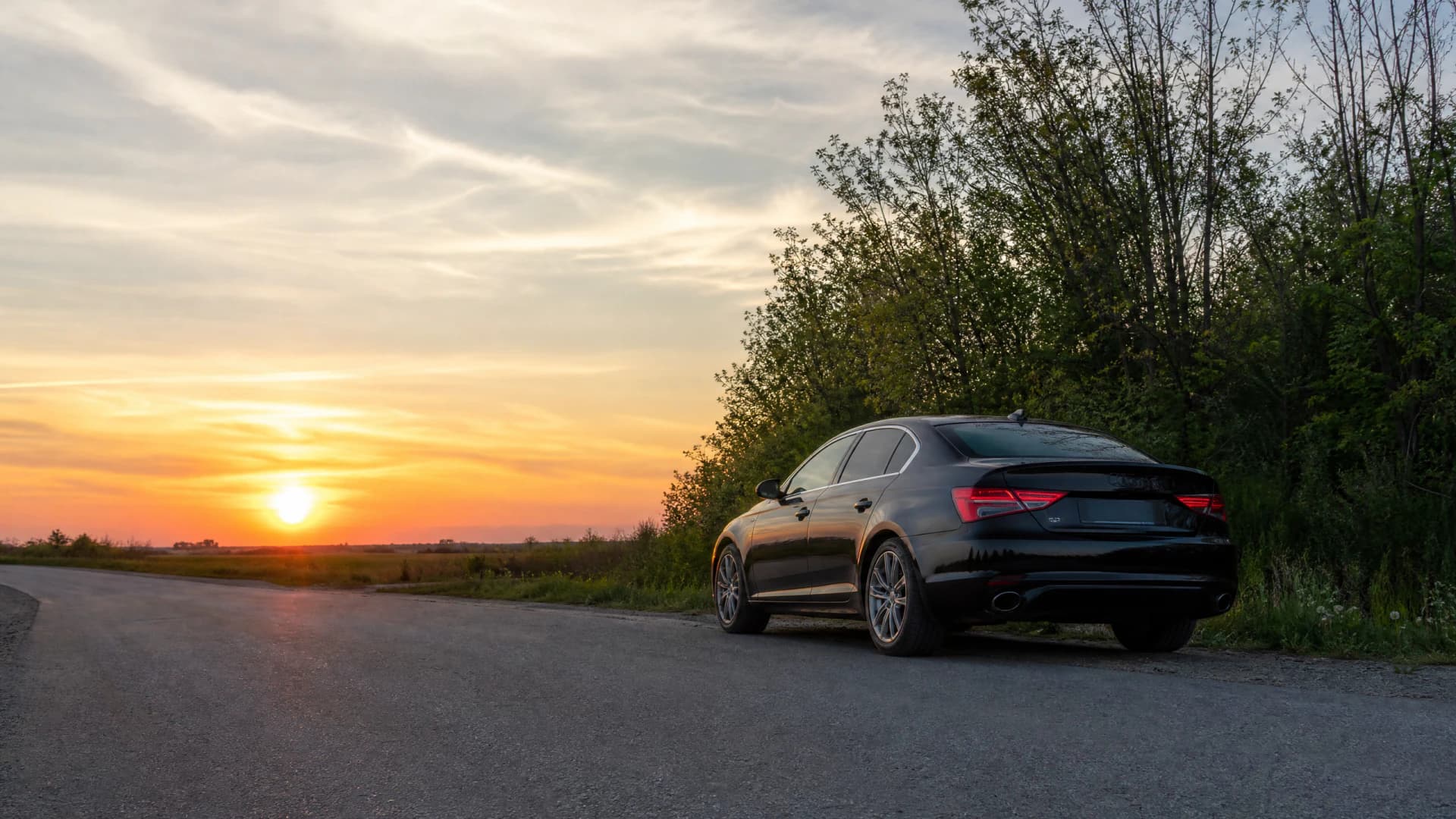
Liability-only on a car you cannot afford to replace out of pocket transfers the entire replacement risk to you. One at-fault crash and the vehicle is gone.
Related Articles







How to Structure Coverage Across Your Vehicles
Start with each vehicle's actual cash value. Actual cash value is what the car is worth today, not what you paid for it or what you owe on the loan.
If the answer is no, carry collision and comprehensive. If the answer is yes, and you are comfortable self-insuring that risk, liability-only is a rational choice. Many households split the difference: full coverage on the two newer cars, liability-only on the 15-year-old commuter with 180,000 miles.
Lenders and lessors require collision and comprehensive on financed and leased vehicles. You cannot drop full coverage on a car with an outstanding loan or lease without violating the finance agreement. The lender will force-place coverage at a much higher cost and add it to your loan balance. If you own the vehicle outright, the choice is yours.
The multi-car discount applies to the total policy premium regardless of how you mix coverage levels. Adding a third vehicle to the policy with liability-only still qualifies for the discount, and the discount reduces the cost of full coverage on the other two vehicles. Structuring coverage vehicle-by-vehicle does not forfeit the multi-car benefit — the discount is tied to the number of vehicles on the policy, not the coverage level on each one.
19.7%
Colorado Uninsured Motorist Rate
Nearly one in five Colorado drivers carries no insurance. Uninsured motorist coverage protects you when an at-fault driver has no liability coverage to pay your claim. It is optional in Colorado but worth considering on vehicles with full coverage.
Insurance Research Council, 2023

Deductible Strategy for Multi-Car Policies
Collision and comprehensive each carry a deductible — the amount you pay out of pocket before the coverage pays the rest. Common deductible choices are $500 or $1,000. A higher deductible lowers your premium; a lower deductible means you pay less at claim time. When you insure multiple vehicles with full coverage, you can set different deductibles on each car.
A common strategy: higher deductibles on older vehicles with full coverage, lower deductibles on newer or higher-value cars. The deductible applies per claim, per vehicle — if two cars on the same policy are damaged in separate incidents, you pay the deductible twice.
Compare Carriers That Write Multi-Car Policies in Colorado
Carriers price multi-car policies differently. Some apply a larger multi-car discount but start from a higher base rate. Others offer a smaller discount on a lower base. The carrier that quotes lowest for full coverage on all three vehicles may not be the lowest when you mix liability-only on one of them. Comparison matters, and it matters every time your household's vehicle count or coverage structure changes.
Colorado-licensed carriers that write multi-car policies include State Farm, Geico, Progressive, Farmers, Allstate, American Family, USAA, Travelers, Liberty Mutual, Nationwide, and others. Not every carrier writes every coverage structure — some do not offer non-owner policies, some price liability-only households out of their underwriting appetite. The only way to know which carrier prices your specific vehicle mix and coverage structure lowest is to compare quotes with your actual household details: the number of vehicles, each vehicle's year and model, each driver's record, and the coverage level you want on each car.
Get Quotes With Your Actual Vehicle Mix
The decision between liability and full coverage is not one-size-fits-all, and it is not all-or-nothing. You structure coverage vehicle-by-vehicle based on each car's value and your ability to replace it. The multi-car discount applies to the total policy regardless of how you mix coverage levels, and the right carrier for your household is the one that prices your specific mix lowest. Compare quotes with the exact coverage structure you plan to carry — full coverage on two vehicles and liability-only on the third, or whatever combination fits your household. The quote tool shows you which carriers write that structure and what each one charges.
What Full Coverage Adds
Collision coverage applies when your car hits another vehicle, a guardrail, a tree, or rolls over. It pays the actual cash value of the vehicle minus your deductible, regardless of who caused the accident. If you rear-end someone and total your own car, collision pays to replace it. Liability does not. Comprehensive covers everything else: your car is stolen, a deer runs into it, hail dents the hood, someone keys the door. Comprehensive pays actual cash value minus the deductible.
When you add full coverage to one or more vehicles on a multi-car policy, you are protecting those specific vehicles against total loss. The coverage does not transfer between cars. If you carry full coverage on the newer sedan and liability-only on the older truck, a crash that totals the truck is not covered by the sedan's collision policy. Each vehicle's coverage applies only to that vehicle. The multi-car discount reduces the total premium for the policy, but it does not change what each vehicle's coverage pays for.
Get Your Free Quote
Get My Colorado Car Insurance QuoteFrequently Asked Questions
Can I carry full coverage on one car and liability-only on another on the same policy?
Yes. You can structure coverage vehicle-by-vehicle on a multi-car policy. Full coverage on the newer car and liability-only on the older one is a common approach. The multi-car discount applies to the total policy premium regardless of how you mix coverage levels.
Does dropping collision and comprehensive on one vehicle affect my multi-car discount?
No. The multi-car discount is tied to the number of vehicles on the policy, not the coverage level on each one. Dropping full coverage on one car and keeping it on the others does not forfeit the discount.
What happens if I total a car that only has liability coverage?
Liability coverage does not pay to repair or replace your own vehicle. If you total a car with liability-only, you replace it out of pocket or you do not replace it. The liability coverage pays for damage you cause to others, not damage to your own car.
How do I know if a vehicle is worth carrying full coverage?
Compare the vehicle's actual cash value to what you would pay in collision and comprehensive premiums over two or three years. If the coverage costs more than the car is worth, or if you could replace the car out of pocket, liability-only is often the better choice. If losing the car would disrupt your household's transportation and you cannot afford to replace it, carry full coverage.
Do I have to carry the same deductible on every vehicle?
No. You can set different deductibles on each vehicle with collision and comprehensive coverage. A common strategy is higher deductibles on older cars and lower deductibles on newer or higher-value vehicles.
Can I drop full coverage on a financed vehicle?
No. Lenders and lessors require collision and comprehensive on financed and leased vehicles. Dropping full coverage violates the finance agreement, and the lender will force-place coverage at a higher cost. You can only drop full coverage on vehicles you own outright.