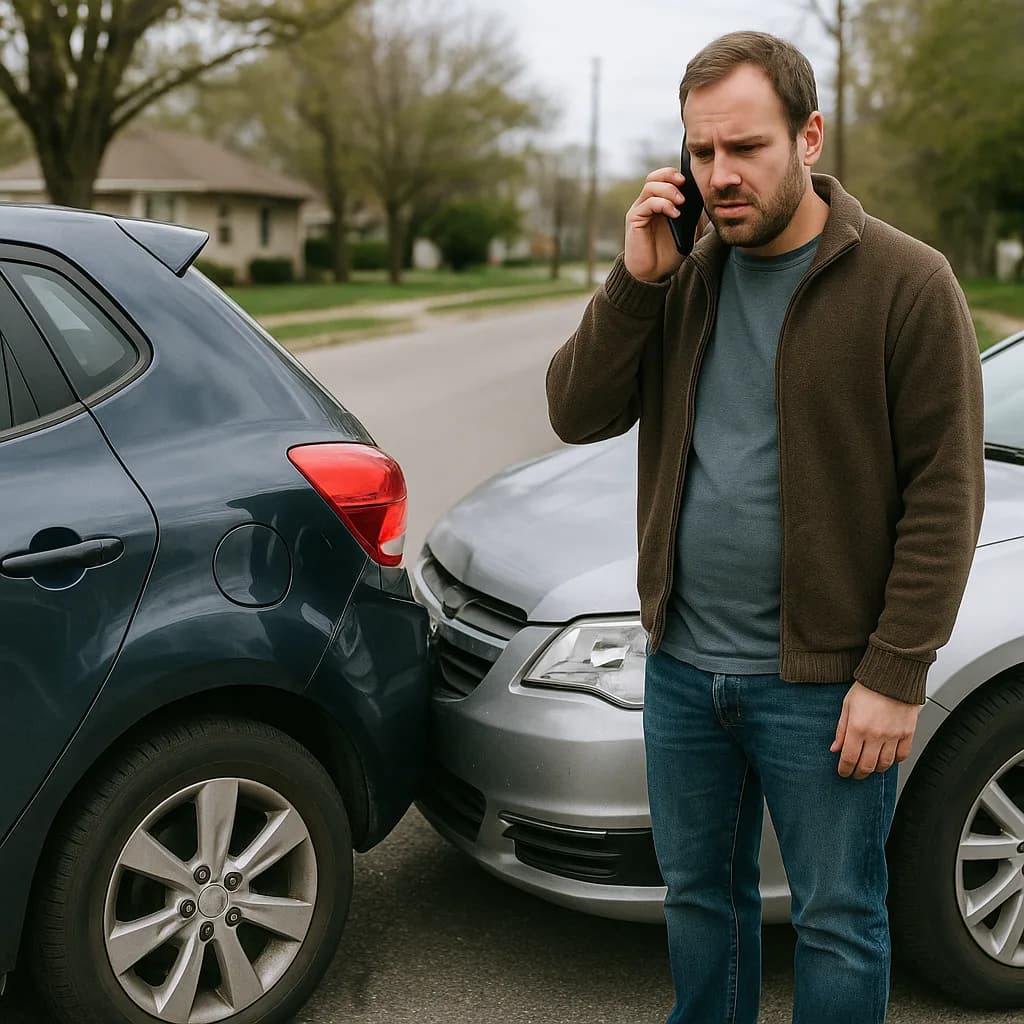
The Two-Car Coverage Question
You own two vehicles in Colorado and you're structuring coverage for both on one policy. The state requires $25,000 bodily injury per person, $50,000 per accident, and $15,000 property damage on every car you register. That's the floor. The question is whether to stop there on both vehicles or carry collision and comprehensive — full coverage — on one or both.
The answer depends on what each car is worth to replace and how losing one would affect your household's transportation. A 2022 sedan and a 2010 truck do not carry the same replacement risk. Insuring them identically wastes money on the older vehicle or leaves the newer one underprotected.
Compare car insurance rates in your state
Get quotes from licensed carriers — no obligation, no spam, results in minutes.
Get Your Free QuoteColorado Minimum Liability
$25,000 / $50,000 / $15,000
Every registered vehicle in Colorado must carry at least $25,000 bodily injury per person, $50,000 per accident, and $15,000 property damage. This covers damage you cause to others; it does not repair your own car.
Colorado Division of Motor Vehicles
What Minimum Coverage Actually Protects
Minimum coverage is liability only. It pays for damage you cause to another person's vehicle or medical bills when you are at fault. It does not repair your own car after a collision, replace it if stolen, or cover hail damage, fire, or vandalism. If you total your own vehicle in an at-fault crash, minimum coverage leaves you with the loss and no payout.
For an older car worth less than the cost of a year's collision and comprehensive premiums, that trade-off makes sense. For a newer car with a loan or lease, it does not. The lender requires collision and comprehensive until the loan is paid off.
Colorado does not require collision, comprehensive, personal injury protection, or uninsured motorist coverage. Those are optional. The state's $25,000/$50,000/$15,000 liability minimum is the only mandate. Whether to add the optional coverages is a household decision driven by vehicle value and financial capacity to absorb a total loss.
The blocker: you cannot tell whether full coverage on both cars is worth the cost without comparing each vehicle's replacement value to the annual premium for collision and comprehensive on that specific car.
How to Structure Coverage Across Two Vehicles
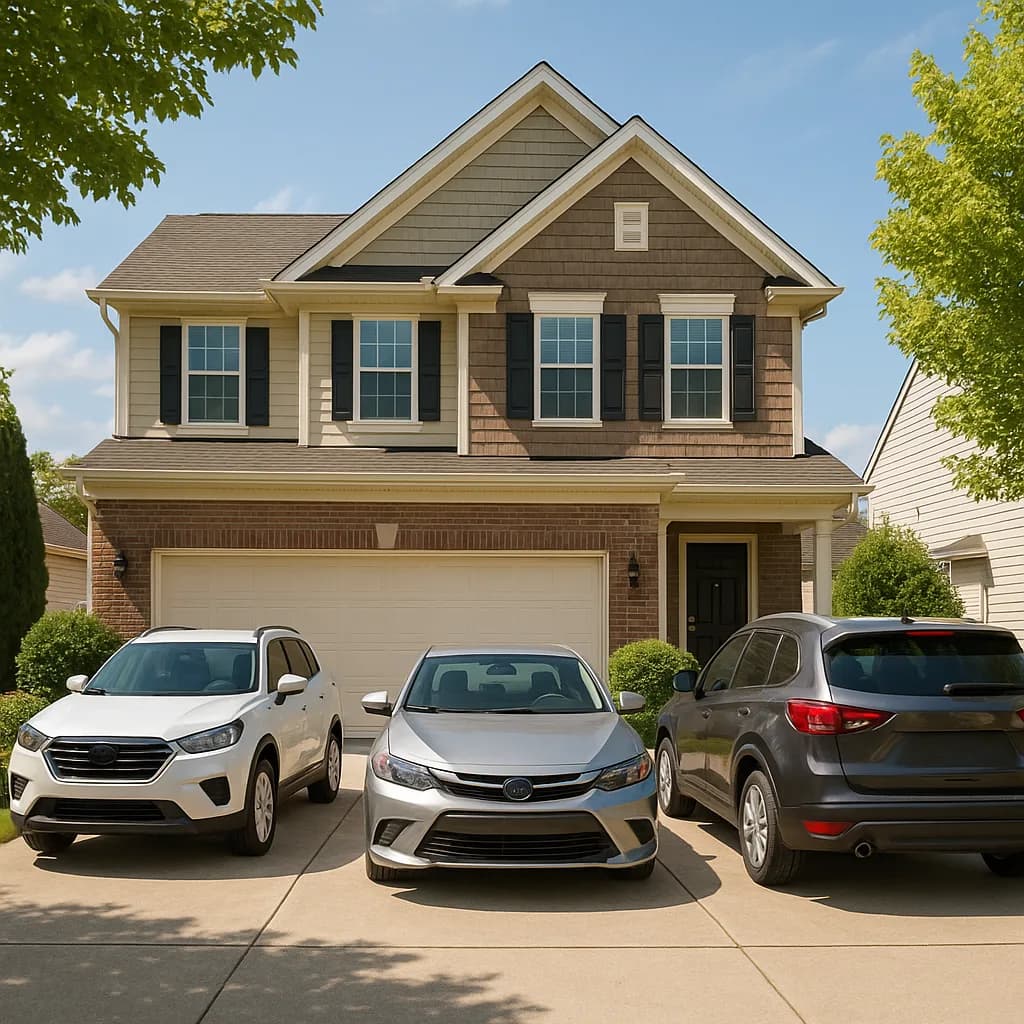
Start with the newer or higher-value vehicle. If it is financed or leased, the lender requires collision and comprehensive. If you own it outright, compare its current market value to the annual cost of collision and comprehensive coverage on that car. When the vehicle is worth more than ten times the annual collision and comprehensive premium, full coverage makes sense. When it is worth less than five times that premium, you are paying more to insure the car than the car is worth to replace.
Apply the same test to the second vehicle independently. Carry liability only on that vehicle and bank the difference. If it is totaled, replace it with cash. The newer car stays on full coverage because losing it would cost more than you saved by dropping coverage. This asymmetric structure — full coverage on one vehicle, liability only on the other — is common in multi-car households and saves money without leaving the household underinsured.
Related Articles




Deductible Choices and Household Risk
When you carry collision and comprehensive on one or both vehicles, you choose a deductible for each coverage. A $500 or $1,000 deductible is standard. The deductible is what you pay out of pocket before the carrier pays the rest of the claim. A higher deductible lowers the premium; a lower deductible raises it.
In a two-car household, you can set different deductibles on each vehicle. The car you drive daily might carry a $500 deductible because a claim is more likely. The car driven occasionally might carry a $1,000 deductible to lower the premium. The deductible you choose should match the amount of cash you can access immediately if a claim happens. If you cannot cover a $1,000 deductible without financial strain, choose $500 even though the premium is higher.
Colorado law does not regulate deductible amounts. The carrier offers a menu; you pick what fits your household's cash position. The deductible applies per claim, not per year. If both cars are damaged in separate incidents in the same month, you pay the deductible twice.
Colorado Uninsured Motorist Rate
19.7%
Nearly one in five Colorado drivers carries no insurance. Uninsured motorist coverage is optional in Colorado but protects your household when an at-fault driver cannot pay for the damage they caused.
Insurance Research Council, 2023
Uninsured Motorist Coverage in a Multi-Car Household
Colorado does not require uninsured motorist coverage, but 19.7% of drivers in the state carry no insurance. When an uninsured driver hits your car, their liability coverage does not exist. Your own collision coverage pays to repair your vehicle if you carry it, minus your deductible. If you carry liability only, you file a claim against the at-fault driver personally, which often produces no recovery.
Uninsured motorist coverage fills that gap. It pays for damage an uninsured or underinsured at-fault driver causes to your vehicle and for medical bills when their liability limits are too low to cover your injuries. In a two-car household, uninsured motorist coverage applies per policy, not per vehicle. One uninsured motorist limit covers all vehicles and all household members listed on the policy. Adding it costs less than adding collision to a second vehicle and protects the household across all driving situations.
When to Upgrade from Minimum Coverage
Upgrade from minimum coverage when the vehicle is worth more than you can afford to lose. That threshold varies by household. The decision is financial, not regulatory. Colorado law does not care whether you carry full coverage; the lender does if the car is financed, and your household does if losing the car would strand you without transportation you can replace immediately.
The second trigger is liability exposure. Colorado's $25,000 per person bodily injury minimum does not cover serious injuries. If you cause a crash that injures another driver badly enough to require surgery or long-term care, their medical bills will exceed $25,000. The injured party can sue you personally for the difference. In a multi-car household with home equity or retirement savings, carrying only state minimums exposes those assets to a judgment you cannot pay from the policy.
Compare carriers that write multi-vehicle policies in Colorado and quote both minimum and full coverage on each car separately. The difference in annual cost tells you whether upgrading one or both vehicles fits your household budget. Carriers writing in Colorado include State Farm, Geico, Progressive, Allstate, Farmers, and USAA. Quote all of them; the lowest rate for minimum coverage is not always the lowest rate for full coverage on the same vehicles.