
New Colorado Resident Auto Insurance — Colorado
Free to compare
The 90-Day Registration Window and the 30-Day Policy Update Deadline
Colorado gives new residents 90 days to register their vehicles after establishing residency, but most carriers require you to update your policy address within 30 days of the move. If you moved with two or more cars, that 60-day gap between the carrier deadline and the state registration deadline creates a coverage risk: your out-of-state policy may deny a claim filed after the 30-day notification window closes, even though your Colorado registration is still valid under state law.
The household with multiple vehicles faces a compounded version of this timing problem. Each car on your existing policy must be re-rated for Colorado garaging addresses, Colorado minimum liability limits, and Colorado uninsured-motorist exposure. If you notify the carrier about one vehicle but delay on the second, the carrier re-rates only the reported car and leaves the unreported vehicle on the old state's rate structure until you update it — or until a claim forces the issue.
“Your out-of-state policy stops covering Colorado-garaged vehicles 30 days after you move, even though Colorado gives you 90 days to register.”
Get More Than the Colorado Minimum for Less
Get My Colorado Car Insurance Quote$25,000/$50,000/$15,000
Colorado Minimum Liability
Colorado requires $25,000 bodily injury per person, $50,000 bodily injury per accident, and $15,000 property damage per vehicle. Every car you register must carry at least this much coverage.
Colorado Division of Motor Vehicles
What Colorado Actually Requires Per Vehicle
Colorado does not mandate personal injury protection or uninsured motorist coverage, but it does require proof of financial responsibility for every registered vehicle. That proof is typically an insurance policy meeting the $25,000/$50,000/$15,000 minimum liability limits. If you carry full coverage — collision and comprehensive in addition to liability — those coverages transfer to Colorado without a state-mandated floor, but the liability floor applies to every car you register.
The multi-car household often assumes the multi-car discount from the prior state carries over automatically. It does not. Colorado carriers calculate the multi-car discount based on Colorado garaging addresses, Colorado loss history, and Colorado rate filings. The discount exists, but the percentage and the eligibility rules reset when you move. A carrier that gave you a multi-car discount in your prior state may not offer the same discount structure in Colorado, and a carrier that did not write your prior state may offer a better multi-car rate here.
If your prior state required higher liability limits than Colorado — for example, if you moved from a state with a $50,000 per-person minimum — dropping to Colorado's $25,000 floor lowers your premium but also lowers your coverage. Many households moving with multiple cars keep the higher limits from the prior state rather than dropping to Colorado's minimum, especially when the rate difference is small and the household's total vehicle value is high.
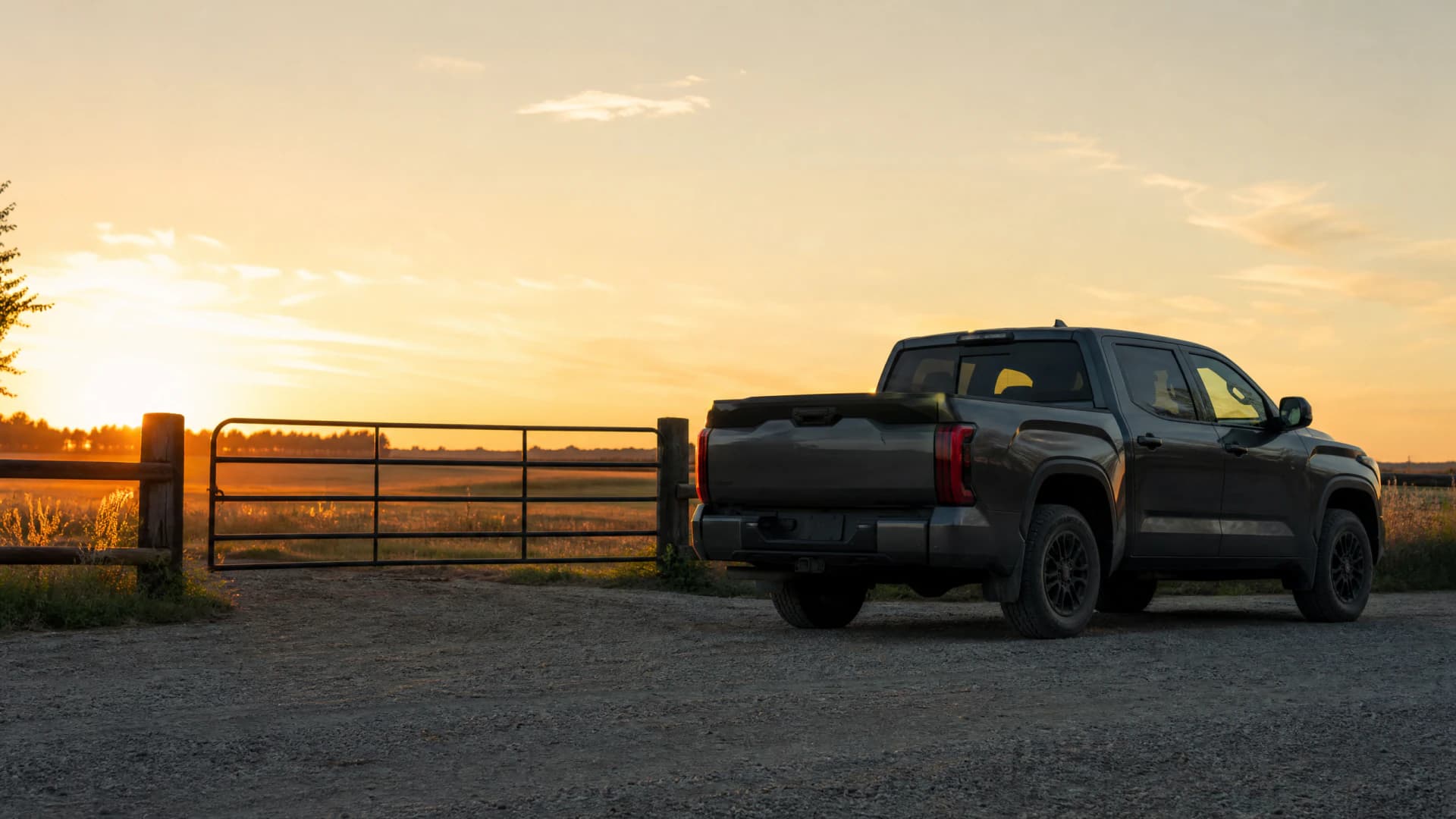
Your out-of-state policy stops covering Colorado-garaged vehicles 30 days after you move, even though Colorado gives you 90 days to register.
Related Articles





The Multi-Car Discount Under Colorado Rules
Colorado carriers calculate the multi-car discount when every vehicle on the policy is garaged at the same Colorado address and titled to a member of the same household. If you moved with a spouse or household member who owns one of the cars, and that person keeps a separate policy or garages their car at a different address temporarily, the multi-car discount does not apply to the separated vehicle until both cars sit on the same policy at the same garaging address.
The discount applies per policy, not per vehicle. Adding a second car to a Colorado policy triggers the discount on both vehicles; adding a third car increases the discount further. But the discount structure varies by carrier. Some carriers apply a flat percentage to each vehicle; others apply a larger discount to the second vehicle and a smaller discount to the third. Compare the total premium for all vehicles combined, not the per-vehicle rate, when evaluating carriers.
If one of your vehicles is a classic car, a rarely-driven car, or a car you plan to store rather than drive regularly, ask whether the carrier offers a storage or low-mileage policy that still qualifies for the multi-car discount. Some carriers exclude stored vehicles from the multi-car discount calculation; others include them but rate them at a lower premium tier.
19.7%
Colorado Uninsured Motorist Rate
Nearly one in five Colorado drivers carries no insurance. Uninsured motorist coverage is optional in Colorado, but it protects you when an uninsured driver hits one of your vehicles.
Insurance Research Council, 2023

Registration Timing and Proof of Insurance
Colorado requires proof of insurance when you register each vehicle. The county motor vehicle office accepts an insurance card, a policy declaration page, or an electronic proof-of-insurance document from your carrier. If you register both cars on the same day, bring proof for both. If you register them on different days, the county office checks proof separately for each vehicle — you cannot register the second car using the first car's proof unless both are listed on the same policy declaration page.
The 90-day registration window starts the day you establish Colorado residency, which the state defines as the day you move into a Colorado residence with intent to stay. If you register one car within 90 days but delay on the second, the second car is unregistered after the 90-day window closes, and driving it becomes a registration violation even if it carries valid insurance. Register all vehicles before the 90-day deadline to avoid this.
Compare Carriers That Write Multi-Vehicle Colorado Policies
The carrier roster above lists 27 carriers writing Colorado auto insurance policies. Of those, Allstate, American Family, Farmers, Geico, Liberty Mutual, Progressive, State Farm, and USAA write multi-vehicle policies and offer online quotes. Bristol West, Dairyland, Infinity, Kemper, National General, Root, and The General write non-standard and high-risk policies, including multi-vehicle coverage for households with recent violations or lapses. Compare total premium for all vehicles combined, not per-vehicle rates, and confirm that every vehicle you own is listed on the same policy declaration page to qualify for the multi-car discount. Request quotes within your first 30 days in Colorado to avoid the coverage gap between your out-of-state policy's notification deadline and Colorado's 90-day registration window.
How to Transition Multiple Vehicles to Colorado Coverage
If your current carrier writes Colorado policies, call them within 30 days of your move and request a policy update for every vehicle you brought. The carrier will re-rate each car based on your new Colorado garaging address, apply Colorado minimum liability limits, and recalculate the multi-car discount under Colorado rules. You will receive a revised premium — sometimes higher, sometimes lower — and a new policy declaration page showing Colorado coverage. Do this before the 30-day notification window closes to avoid a coverage gap.
If your current carrier does not write Colorado or if the Colorado rate is significantly higher than you expected, compare carriers that write multi-vehicle policies in Colorado before your 30-day notification deadline expires. The carrier roster above lists which carriers write Colorado policies and which offer online quotes. When you switch, the new carrier binds coverage for all vehicles on the same effective date, and you cancel the out-of-state policy once the Colorado policy is active. Never cancel the old policy before the new one binds — that leaves every car uninsured during the transition.
Get Your Free Quote
Get My Colorado Car Insurance QuoteFrequently Asked Questions
Do I have to register both cars at the same time in Colorado?
No, but both must be registered within 90 days of establishing Colorado residency. You can register them on different days, but each requires separate proof of insurance at the county motor vehicle office.
Can I keep my out-of-state insurance after moving to Colorado?
Only if your carrier writes Colorado policies and you update your policy address within 30 days of the move. If your carrier does not write Colorado, you must switch to a Colorado-licensed carrier before the 30-day notification window closes.
Does the multi-car discount apply if one car is garaged at a different address?
No. Colorado carriers require every vehicle on the policy to be garaged at the same address and titled to a member of the same household. If one car is garaged elsewhere, it does not qualify for the multi-car discount until you move it to the same address.
What happens if I register one car but not the other within 90 days?
The unregistered car becomes illegal to drive after the 90-day window closes, even if it carries valid insurance. Colorado treats unregistered vehicles as registration violations, which can result in fines and impoundment.
Can I drop to Colorado's minimum liability limits if my prior state required higher limits?
Yes. Colorado requires $25,000/$50,000/$15,000 liability per vehicle. If your prior state required higher limits, you can drop to Colorado's minimum, but many households keep the higher limits when the rate difference is small and the total vehicle value is high.
How do I prove insurance when registering multiple cars in Colorado?
Bring an insurance card, policy declaration page, or electronic proof-of-insurance document for each vehicle. The county motor vehicle office checks proof separately for each car unless both are listed on the same policy declaration page.