
Out-of-State Insurance Coverage — Colorado
Free to compare
When Out-of-State Coverage Works in Colorado
Colorado allows you to register a vehicle with an out-of-state insurance policy, but only if that policy meets Colorado's minimum liability limits: $25,000 bodily injury per person, $50,000 bodily injury per accident, and $15,000 property damage. The state does not require you to switch carriers immediately when you move, but it does require your existing policy to carry at least these amounts. If your current policy meets or exceeds these minimums, you can use it to register your vehicles in Colorado.
The complication: many states require lower liability limits than Colorado. If you moved from a state with lower minimums and your policy was written to meet only that state's requirements, your coverage does not satisfy Colorado's registration standard. You will need to increase your limits or switch to a Colorado-licensed carrier before the Division of Motor Vehicles will accept your proof of insurance.
“Colorado accepts out-of-state policies for 90 days, but only if they meet $25,000/$50,000/$15,000 minimums — many states require less.”

Get More Than the Colorado Minimum for Less
Get My Colorado Car Insurance Quote$25,000/$50,000/$15,000
Colorado Minimum Liability
Every vehicle registered in Colorado must carry at least $25,000 bodily injury coverage per person, $50,000 per accident, and $15,000 property damage. Out-of-state policies must meet or exceed these amounts to satisfy registration requirements.
Colorado Division of Motor Vehicles
How the 90-Day Grace Period Actually Works
Colorado gives new residents 90 days to register their vehicles and obtain a Colorado driver license. During this period, you can drive on your out-of-state license and registration, and your out-of-state insurance remains valid as long as it meets Colorado's minimum liability limits. The grace period does not extend your policy's coverage — it simply delays the requirement to complete Colorado registration.
The grace period applies to new residents, not to vehicles you purchase while already living in Colorado. If you buy a car after establishing Colorado residency, you must register it in Colorado within the standard registration window, typically within 60 days of purchase. Your out-of-state policy can cover the newly-purchased vehicle during this window if your carrier writes coverage in Colorado and your policy meets the state minimums.
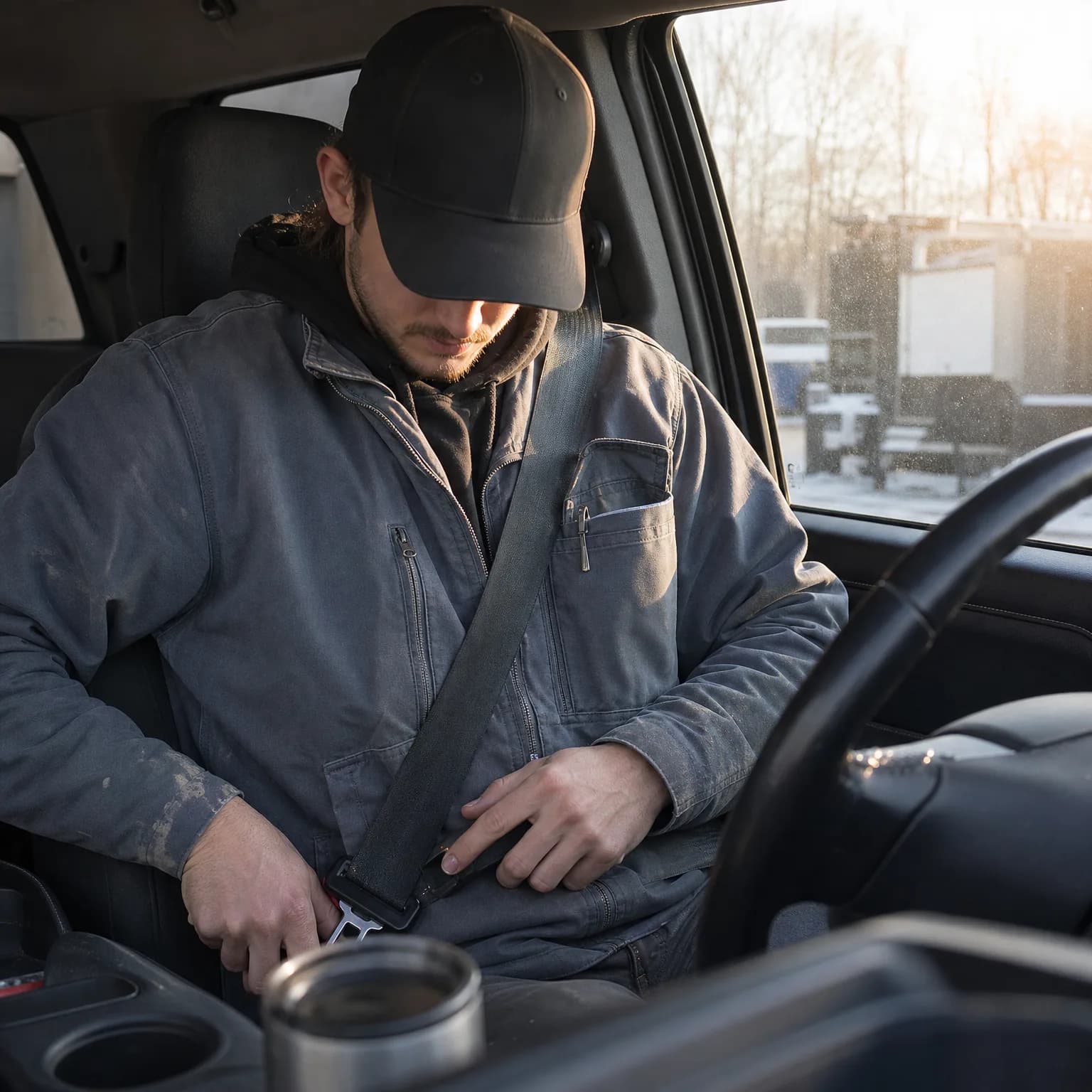
Households insuring multiple vehicles split between two states — for example, a college student with a car registered in their home state while the family's other vehicles are registered in Colorado — face a different structure. Each vehicle must carry insurance that meets the requirements of the state where it is registered. A car registered in another state does not need to meet Colorado minimums, but a car registered in Colorado must, even if the same household policy covers both.

The gap: your out-of-state policy meets your old state's minimums but falls short of Colorado's $25,000/$50,000/$15,000 requirement, and you cannot register until you close it.





When You Must Switch Carriers Entirely
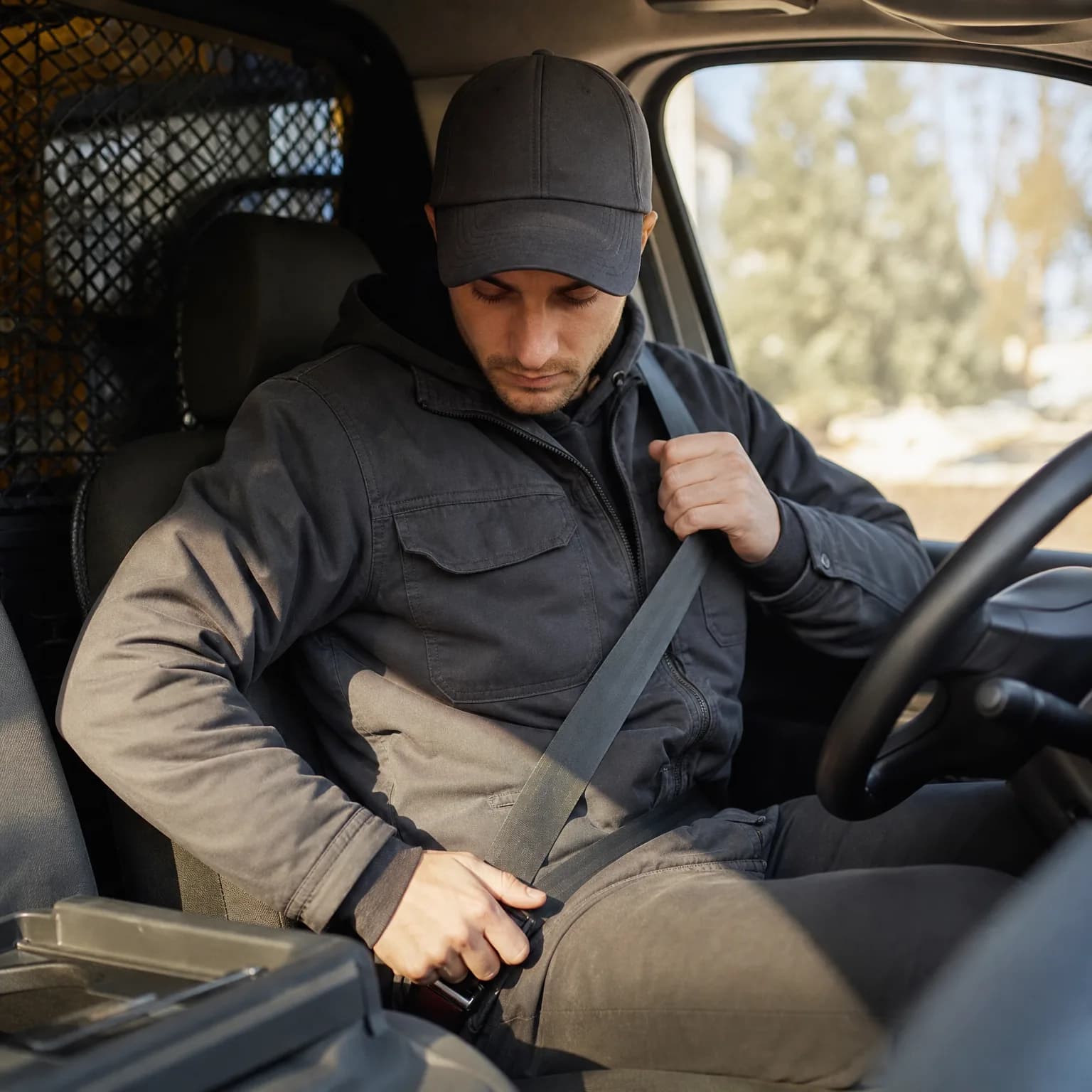
Not every carrier licensed in your previous state writes policies in Colorado. If your current carrier does not operate in Colorado, you cannot simply increase your limits — you must switch to a carrier licensed here. Colorado has 27 carriers writing standard and non-standard auto insurance, including national carriers such as State Farm, Geico, Progressive, Allstate, and Farmers, and regional carriers such as American Family and CSAA. Compare carriers that write multi-vehicle policies if you are insuring more than one car, because the multi-car discount typically requires every vehicle to sit on the same policy.
Switching carriers mid-term does not penalize you. You can cancel your out-of-state policy and start a Colorado policy on the same day. Your old carrier will refund the unused portion of your premium on a pro-rata basis. The new Colorado carrier will rate your policy based on your Colorado garaging address, your driving record, and the vehicles you are insuring. If you are moving from a state with lower insurance costs, expect the premium to increase; if you are moving from a higher-cost state, you may see a decrease.
Households insuring multiple vehicles must decide whether to keep all cars on one policy or split them. The multi-car discount applies only when every vehicle sits on the same policy and is garaged at the same address. If one vehicle is registered in another state and garaged elsewhere — for example, a college student's car — that vehicle typically cannot share the Colorado policy's multi-car discount unless the carrier allows a temporary out-of-state garaging exception. Verify this with the carrier before assuming the discount applies.
27 carriers
Colorado Auto Insurance Market
Colorado's auto insurance market includes 27 carriers writing standard, preferred, and non-standard policies. National carriers dominate, but regional options such as American Family and CSAA offer competitive multi-vehicle rates for households insuring several cars.
Colorado Division of Insurance
How Registration Timing Affects Your Coverage Decision
The 90-day grace period gives you time to compare carriers and find the best rate for your household's vehicles, but it does not extend indefinitely. If you wait until day 89 to start shopping, you risk a coverage gap if your current carrier cannot write a Colorado policy quickly or if you need to switch carriers entirely. Start the process within the first 30 days of your move. This gives you time to compare rates, verify that your chosen carrier writes multi-vehicle policies in Colorado, and complete the switch before the registration deadline.
If you miss the 90-day window and continue driving on your out-of-state registration, Colorado law treats you as an uninsured driver even if your out-of-state policy is active. The state's Compulsory Insurance Law requires every vehicle registered in Colorado to carry a Colorado-compliant policy. Avoid this by registering within the grace period.
Compare Carriers Before You Commit
Colorado's insurance market varies significantly by carrier, and the carrier that offered the best rate in your previous state may not be competitive here. Households insuring multiple vehicles should compare at least three carriers that write multi-car policies and confirm each carrier's multi-vehicle discount structure. Some carriers apply the discount to every vehicle on the policy; others apply it only to the second and subsequent vehicles. The difference affects your total premium when you are insuring three or more cars. Request quotes that reflect your Colorado garaging address, your actual vehicles, and every driver in your household to see the true cost of meeting the state's requirements.
What Happens When Your Limits Are Too Low
If your out-of-state policy carries lower liability limits than Colorado requires, the Division of Motor Vehicles will not accept your proof of insurance. The DMV verifies coverage electronically in most cases, and the system flags policies that do not meet the state minimums. You cannot complete registration until you provide proof of a policy that meets or exceeds $25,000/$50,000/$15,000. This means either increasing your current policy's limits or switching to a Colorado-licensed carrier that writes coverage at the required minimums.
Increasing your limits with your current carrier works if that carrier is licensed to write policies in Colorado. Call your carrier, confirm they write coverage in Colorado, and request a limit increase to meet the state minimums. The carrier will re-rate your policy based on Colorado's rating factors — your new garaging address, Colorado's uninsured motorist rate of 19.7%, and the state's claims environment. The premium will change, sometimes significantly, because Colorado's risk profile differs from your previous state. Once the carrier issues the updated policy, you can use the new proof-of-insurance card to register your vehicles.
Get Your Free Quote
Get My Colorado Car Insurance QuoteFrequently Asked Questions
Can I register a car in Colorado with an out-of-state insurance policy?
Yes, if your out-of-state policy meets Colorado's minimum liability limits of $25,000 bodily injury per person, $50,000 per accident, and $15,000 property damage. The Division of Motor Vehicles verifies coverage electronically and will not accept policies with lower limits. If your policy falls short, you must increase your limits or switch to a Colorado-licensed carrier before registration.
How long can I drive in Colorado with out-of-state insurance?
New residents have 90 days to register their vehicles and obtain a Colorado driver license. During this period, your out-of-state insurance remains valid as long as it meets Colorado's minimum liability requirements. After 90 days, you must complete Colorado registration and carry a Colorado-compliant policy.
What happens if my out-of-state policy does not meet Colorado minimums?
The DMV will not accept your proof of insurance, and you cannot complete registration until you provide a policy that meets or exceeds $25,000/$50,000/$15,000. You must either increase your current policy's limits or switch to a Colorado-licensed carrier.
Do I need to switch carriers when I move to Colorado?
Only if your current carrier does not write policies in Colorado. If your carrier is licensed here, you can keep your policy and increase your limits to meet the state minimums. If your carrier does not operate in Colorado, you must switch to a carrier licensed in the state before you can register your vehicles.
Can I insure multiple vehicles on one policy if some are registered in another state?
Yes, but the multi-car discount typically requires every vehicle to be garaged at the same address and registered in the same state. If one vehicle is registered elsewhere — for example, a college student's car — verify with your carrier whether that vehicle qualifies for the same-policy discount. Some carriers allow temporary out-of-state garaging exceptions; others do not.
What is Colorado's reinstatement fee if I drive without compliant insurance?
If you continue driving after the 90-day grace period without a Colorado-compliant policy, the state suspends your license under the Compulsory Insurance Law.