
Multi-Car Insurance Cost — Colorado
Free to compare
Why Adding a Second Car Changes Your Premium Structure
You bought a second car and called your carrier to add it to your Colorado policy. The quote came back higher than you expected, even after the agent mentioned a multi-car discount. The confusion is structural: adding a vehicle doesn't just tack on a flat amount — it re-rates your entire policy, recalculating base premium, coverage tiers, and discount eligibility across every vehicle you own.
Colorado requires $25,000 bodily injury per person, $50,000 bodily injury per accident, and $15,000 property damage per vehicle. When you add a second car, the carrier applies those minimums to the new vehicle and recalculates your household risk profile. The multi-car discount reduces the combined premium, but only if every vehicle you own sits on the same policy under the same named insured.
“The multi-car discount is policy-level, not household-level — separate policies for household members do not qualify.”

Get More Than the Colorado Minimum for Less
Get My Colorado Car Insurance Quote$25,000/$50,000/$15,000
Colorado Minimum Liability Per Vehicle
Every vehicle registered in Colorado must carry at least $25,000 bodily injury per person, $50,000 per accident, and $15,000 property damage. Adding a second vehicle means meeting these minimums again on the new car.
Colorado Division of Motor Vehicles
What the Multi-Car Discount Actually Requires
The multi-car discount applies when you insure two or more vehicles on a single auto policy. It does not apply when household members each carry their own separate policy, even if those policies are with the same carrier and share a garaging address. The discount is policy-level, not household-level.
Most carriers require every vehicle to be titled to the same person or to members of the same household living at the same address. A car titled to a household member on a different policy — a college-age child with their own coverage, or a spouse who kept a separate policy after marriage — does not count toward your multi-car discount. The vehicles must sit on your policy to qualify.
When you add a vehicle mid-term, the carrier re-rates the policy immediately. The new premium reflects the added vehicle's make, model, year, garaging location, and how it changes your household's overall risk profile. The multi-car discount offsets part of that increase, but it does not eliminate it.
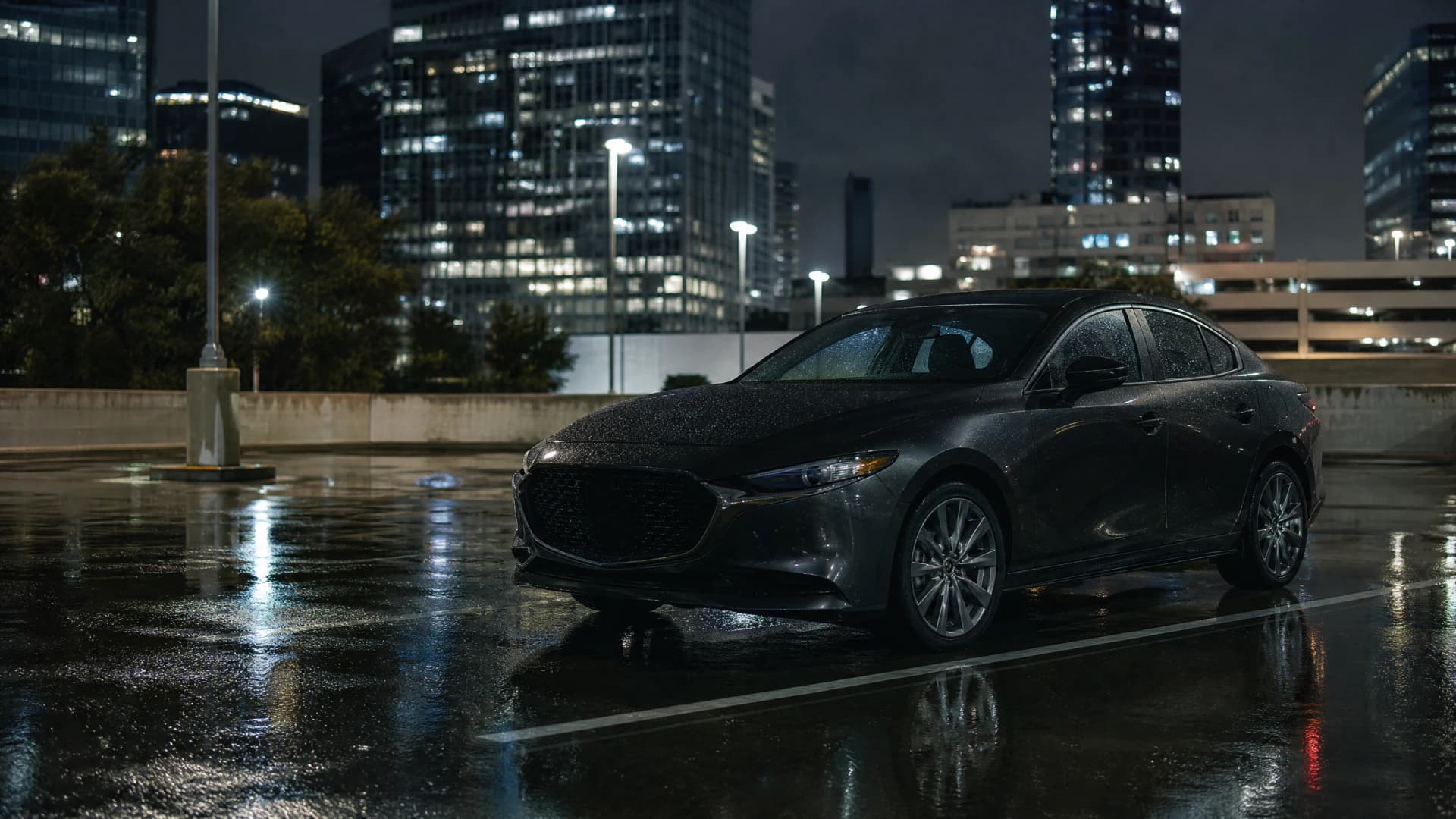
The multi-car discount only applies when every vehicle you own sits on the same policy. Separate policies for household members do not qualify.







When Combining Policies Saves Money and When It Doesn't
Two household members each carrying their own policy often assume combining into one multi-car policy automatically lowers the total premium. It usually does, but not always. The outcome depends on each driver's record, the vehicles involved, and how the carrier prices the combined risk.
A household where one driver has a clean record and one has a recent at-fault accident may see the combined premium rise, because the carrier now prices both vehicles against the higher-risk driver's profile. The multi-car discount offsets part of that increase, but it may not offset all of it. The same is true when one vehicle is significantly more expensive to insure than the other — a sports car combined with a sedan may push the household into a higher base rate tier.
The decision to combine policies should be based on actual quotes, not assumptions. Request a combined-policy quote from your current carrier and compare it to the sum of your separate policies. If combining raises the total premium, keeping separate policies may be the better choice. The multi-car discount is valuable, but it is not a universal money-saver.
19.7%
Colorado Uninsured Motorist Rate
Nearly one in five Colorado drivers operates without insurance. Uninsured motorist coverage protects you when an at-fault driver cannot pay for damages, and it applies across every vehicle on your policy.
Insurance Research Council, 2023

Coverage Decisions Across Multiple Vehicles
You do not need to carry identical coverage on every vehicle. A 2023 car with a loan requires collision and comprehensive because the lender mandates it. A 2008 car you own outright may only need liability. The carrier prices each vehicle's coverage separately, then combines them into one policy premium.
Liability limits apply per accident, not per vehicle. Collision and comprehensive, by contrast, are vehicle-specific — the deductible and coverage apply only to the car listed on that portion of the policy.
Compare Carriers That Write Multi-Car Policies in Colorado
Not every carrier offers the same multi-car discount structure. Some apply a larger discount when you add a third vehicle; others cap the discount at two. Some require all vehicles to be garaged at the same address; others allow different garaging locations within the same household. The only way to know which carrier offers the best combined rate for your specific vehicles and drivers is to request quotes from multiple carriers.
Colorado has 27 carriers writing auto policies in the state, including national carriers such as State Farm, Geico, Progressive, Allstate, and Farmers, and regional carriers such as American Family and CSAA. Request quotes from at least three carriers, providing the same vehicle details, coverage selections, and driver information to each. Compare the combined premium after the multi-car discount, not the discount percentage alone. A smaller discount on a lower base rate often beats a larger discount on a higher one. Use the site's comparison tool to request quotes from carriers writing multi-car policies in Colorado.
How Carriers Calculate Multi-Vehicle Premiums
The carrier starts with each vehicle's base rate, determined by make, model, year, garaging ZIP code, and how the vehicle is used. A 2018 sedan garaged in Denver carries a different base rate than a 2022 truck garaged in Colorado Springs. The carrier then applies your selected coverage levels — liability limits, collision deductible, comprehensive deductible — to each vehicle separately. Full coverage on one car and minimum coverage on another is common for households with one newer vehicle and one older one.
After calculating the combined premium for all vehicles and coverages, the carrier applies the multi-car discount. The discount is a percentage reduction on the total policy premium, not a flat dollar amount per vehicle. A household with three vehicles typically sees a larger discount than a household with two, but the discount applies to the policy as a whole. The final premium is the combined vehicle premiums minus the multi-car discount, plus any other applicable discounts such as bundling home and auto or maintaining a clean driving record.
Get Your Free Quote
Get My Colorado Car Insurance QuoteFrequently Asked Questions
Does the multi-car discount apply if my spouse has a separate policy?
No. The multi-car discount applies only when every vehicle sits on the same policy under the same named insured. Two household members each carrying their own policy do not qualify, even if both policies are with the same carrier and share a garaging address.
Can I carry different coverage levels on each vehicle?
Yes. You can carry full coverage on one vehicle and minimum liability on another. The carrier prices each vehicle's coverage separately, then combines them into one policy premium and applies the multi-car discount to the total.
How much does adding a second car increase my premium?
Adding a vehicle re-rates your entire policy based on the new car's make, model, year, garaging location, and your household risk profile. The multi-car discount offsets part of the increase, but the final premium depends on the specific vehicles and coverage selections you choose.
Do I need to insure all household vehicles on one policy?
No, but only vehicles on the same policy qualify for the multi-car discount. If combining policies raises your total premium due to one driver's record or one vehicle's higher risk, keeping separate policies may cost less overall.
What happens if I add a vehicle mid-term?
The carrier re-rates your policy immediately and adjusts your premium for the remainder of the term. The new premium reflects the added vehicle's coverage and the multi-car discount applied to the combined total.