
Out-of-State Car Insurance — Colorado
Free to compare
The Registration Window Starts When You Buy
You bought a car in another state—maybe from a private seller in Kansas, a dealer in Wyoming, or a family member in Nebraska—and now you need to register it in Colorado. The seller's insurance ended the moment the title transferred. Your existing Colorado auto policy may cover the newly-purchased vehicle, but only for a limited grace period, and the Colorado DMV will not register the car without proof of Colorado insurance listing the vehicle by VIN.
The procedural reality: you have a narrow window to add the out-of-state vehicle to your Colorado policy, obtain proof of coverage, and complete DMV registration before the grace period expires. Miss that window and the car sits uninsured in your driveway, unregistered and illegal to drive. The path forward depends on whether you already carry a Colorado policy and how many vehicles you insure on it.
“The grace period covers claims but does not generate the VIN-specific proof the DMV requires for registration.”
Get More Than the Colorado Minimum for Less
Get My Colorado Car Insurance Quote$25,000 / $50,000 / $15,000
Colorado Minimum Liability
Colorado requires $25,000 bodily injury per person, $50,000 per accident, and $15,000 property damage. The newly-added vehicle must meet these minimums before the DMV issues registration. Personal injury protection and uninsured motorist coverage are optional but recommended given Colorado's 19.7% uninsured motorist rate.
Colorado Revised Statutes 42-4-1409
Your Existing Policy Covers the New Car for 14 to 30 Days
Most Colorado carriers extend automatic coverage to a newly-acquired vehicle for 14 to 30 days from the purchase date, provided you already insure at least one vehicle on the policy. The grace period exists to give you time to notify the carrier and formally add the car. Coverage during the grace period typically matches the highest coverage level on any vehicle already on your policy—if your current car carries full coverage, the new car receives full coverage automatically during the window.
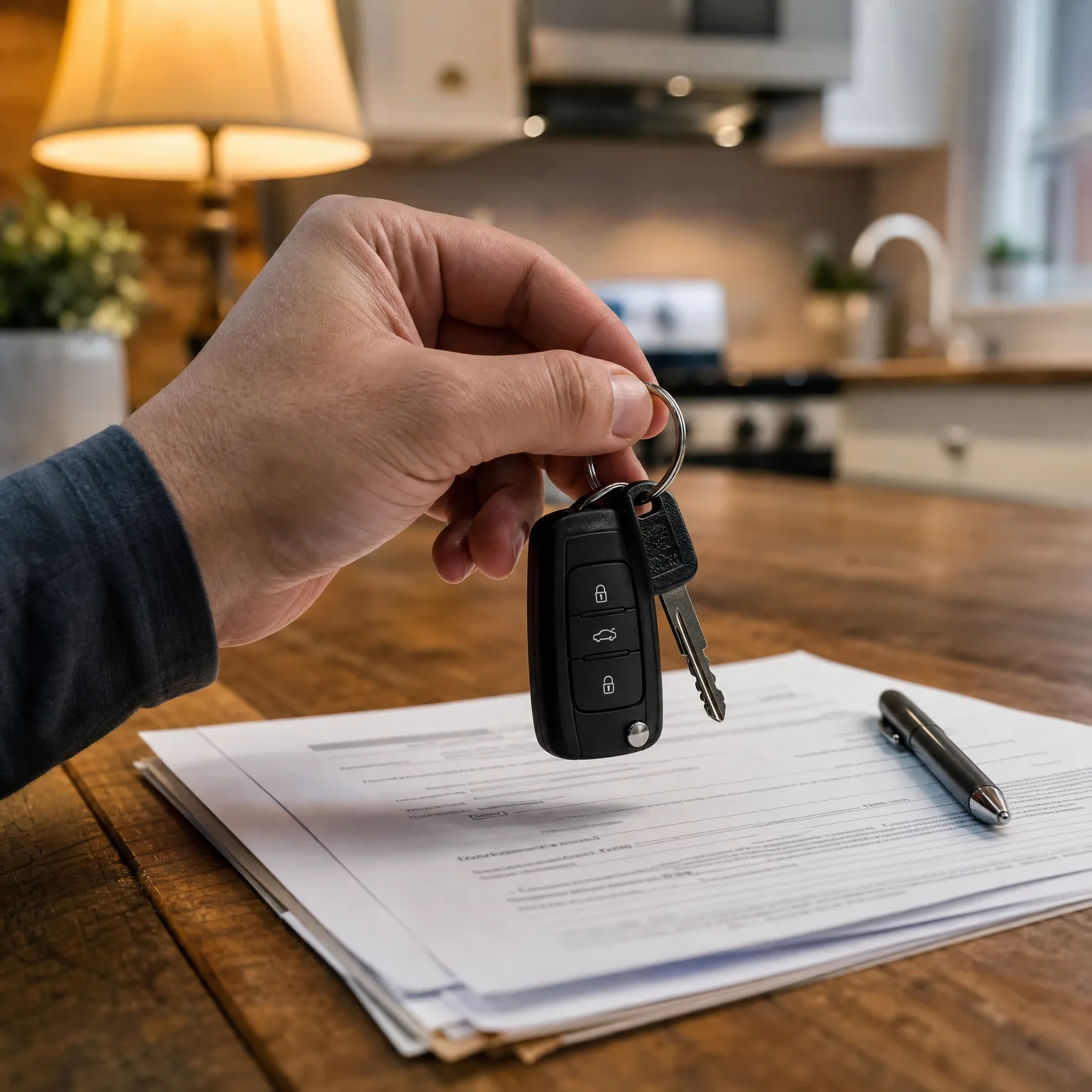
The grace period is not a registration extension. The Colorado DMV requires proof of insurance listing the specific vehicle by VIN before it issues plates. The automatic coverage your carrier provides during the grace period does not generate the VIN-specific proof-of-insurance document the DMV demands. You must contact your carrier, add the vehicle formally, and request an updated insurance card or electronic verification form that names the new car.
If you do not already carry a Colorado auto policy—you moved to Colorado recently, you sold your only car months ago, or this is your first vehicle—the grace period does not apply. You must purchase a new policy naming the out-of-state vehicle before you can register it. The car has no coverage from the moment you take possession until you bind a policy.
The grace period covers claims but does not satisfy DMV proof-of-insurance requirements. You must formally add the vehicle and obtain updated documentation before registration.
Related Articles





What Happens If You Miss the Grace Period
If you do not formally add the vehicle within the grace period, automatic coverage ends. The car becomes uninsured. Any accident, theft, or damage after the grace period expires is not covered, even if you intended to add the vehicle and simply forgot. Carriers do not extend the grace period retroactively, and they do not cover claims on vehicles never formally added to the policy.
You can still add the vehicle after the grace period closes, but there is a coverage gap. The policy addition takes effect on the date you request it, not the date you purchased the car. If you drove the uninsured vehicle during the gap, you violated Colorado's mandatory insurance law and risk a license suspension if stopped.
The DMV registration deadline is separate from the insurance grace period. Colorado law requires you to register a newly-purchased vehicle within 60 days if you are a Colorado resident, or within 90 days if you moved to Colorado from another state and the car was already titled to you. The registration deadline does not extend the insurance grace period—you must add the car to your policy and obtain proof of coverage before you can register, regardless of how much time remains in the 60- or 90-day registration window.
4,477,447
Colorado Licensed Drivers
Colorado has 4,477,447 licensed drivers and 5,116,858 registered vehicles, meaning many households insure multiple cars. Adding an out-of-state vehicle to an existing multi-car policy activates or increases the multi-car discount, lowering the per-vehicle rate across the entire policy.
FHWA Highway Statistics 2022

If You Do Not Already Have a Colorado Policy
Buying your first car, or buying a car after a period without vehicle ownership, means you have no existing Colorado policy to add the vehicle to. You must purchase a new policy naming the out-of-state car before the DMV will register it. Shop for coverage before you complete the purchase if possible—obtaining quotes with the VIN in hand allows you to bind coverage the same day you take possession, eliminating any uninsured period.
Colorado carriers writing standard and preferred auto insurance include State Farm, Geico, Progressive, Allstate, Farmers, Liberty Mutual, Nationwide, USAA, Travelers, and American Family. If you plan to insure two or more vehicles on the same policy, request multi-car quotes from multiple carriers—the discount structure varies significantly. Some carriers apply a larger discount when you add a third or fourth vehicle; others front-load the discount on the second car. The total premium across all vehicles matters more than the per-vehicle rate on any single car.
Compare Carriers That Write Multi-Car Policies in Colorado
If this out-of-state purchase is your second, third, or fourth vehicle, the multi-car discount is the largest single factor in your total premium. The discount requires every vehicle to sit on the same policy and typically requires all cars to be garaged at the same address. Combining two separate policies after a move, marriage, or household change usually lowers the combined premium, but not always—carriers weight the multi-car discount differently, and a smaller discount on a lower base rate can beat a larger discount on a higher one.
Use the site's comparison tool to request quotes from Colorado carriers that write multi-car policies. Provide the VIN, purchase date, and current odometer reading for the newly-purchased out-of-state vehicle, along with details for every other car you insure. Quotes reflect the multi-car discount and show the total household premium, not just the cost of adding one car. Bind coverage before the grace period on your existing policy expires, or before you drive the car if you have no existing policy. The DMV requires proof of Colorado insurance listing the vehicle by VIN before it issues registration.
How to Add the Vehicle to Your Colorado Policy
Contact your carrier by phone, through the mobile app, or via the online account portal. Provide the vehicle identification number (VIN), current odometer reading, purchase date, and the state where you bought the car. The carrier will quote the premium adjustment—adding a vehicle re-rates the entire policy, not just the new car, because the multi-car discount and household risk profile change when vehicle count increases. If you already insure two or more vehicles, the multi-car discount typically absorbs part of the added cost; if this is your second vehicle, the discount activates and lowers the per-vehicle rate for both cars.
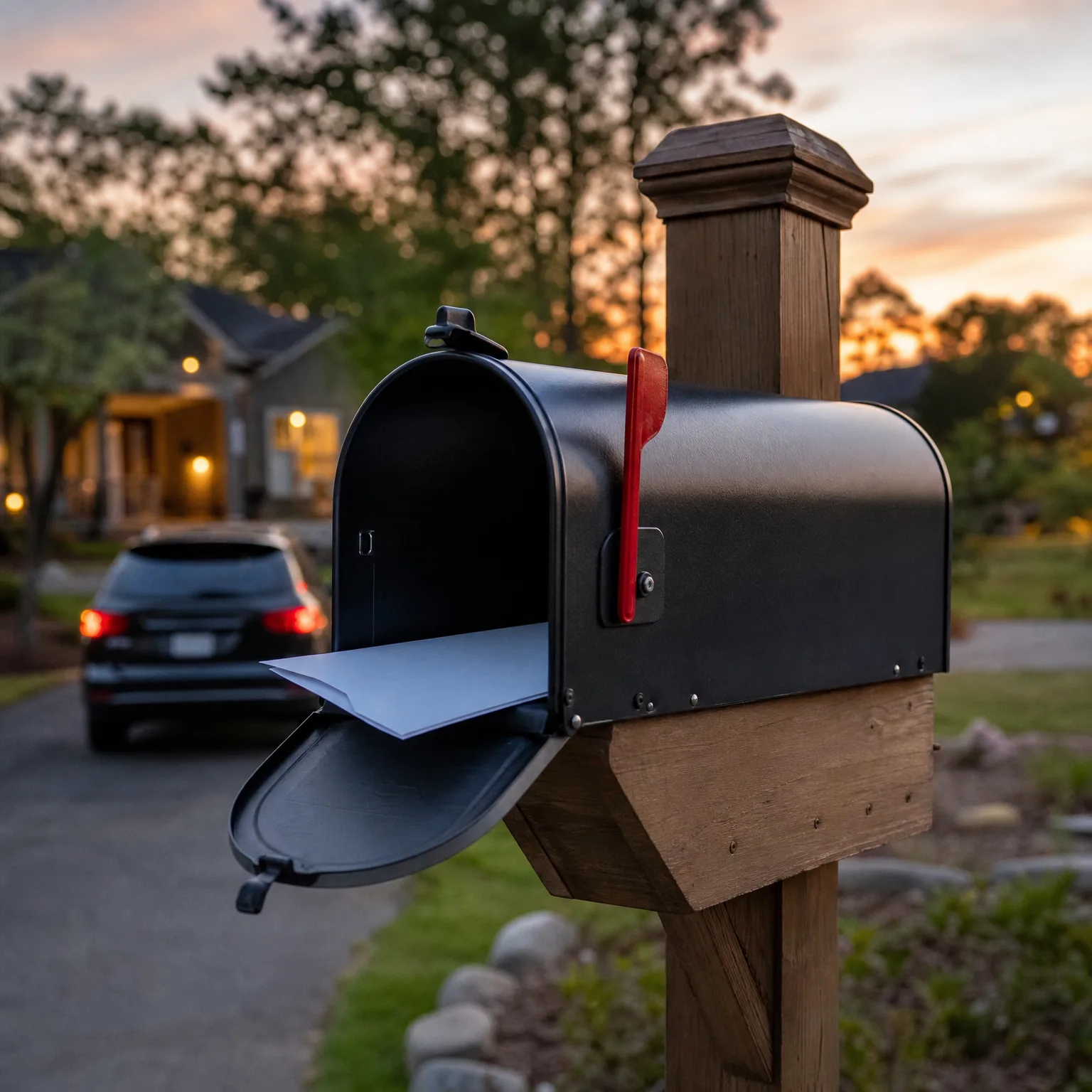
Request the updated insurance card or Colorado-specific electronic verification form immediately. Colorado accepts electronic proof of insurance, but the document must list every insured vehicle by VIN. The carrier emails or mails the updated card within 24 hours in most cases. Bring that document to the DMV when you register the vehicle. If the grace period is about to expire and the carrier has not yet issued the updated card, ask for a binder or declaration page listing the new vehicle—the DMV accepts these as interim proof while the permanent card is in transit.
Get Your Free Quote
Get My Colorado Car Insurance QuoteFrequently Asked Questions
Does my Colorado insurance automatically cover a car I bought in another state?
Most Colorado carriers extend automatic coverage to a newly-purchased vehicle for 14 to 30 days if you already insure at least one car on the policy. Coverage matches the highest level on any vehicle already insured. You must formally add the new car and obtain updated proof-of-insurance documents before the grace period expires.
Can I register an out-of-state car in Colorado without Colorado insurance?
No. The Colorado DMV requires proof of Colorado insurance listing the vehicle by VIN before it issues registration. The seller's insurance does not transfer, and out-of-state insurance does not satisfy Colorado's registration requirement. You must add the car to a Colorado policy or purchase a new Colorado policy before registration.
How long do I have to add a newly-purchased car to my Colorado policy?
Most carriers provide a 14- to 30-day grace period during which a newly-acquired vehicle receives automatic coverage. You must formally add the car within that window to avoid a coverage gap. The grace period does not extend the DMV registration deadline, which is 60 days for Colorado residents or 90 days for new residents.
What happens if I miss the grace period and do not add the car in time?
Automatic coverage ends when the grace period expires. The car becomes uninsured, and any accident or damage after that date is not covered. You can still add the vehicle, but the policy addition takes effect on the date you request it, not the purchase date, leaving a coverage gap.
Does adding a second car to my Colorado policy lower my rate?
Adding a second vehicle activates the multi-car discount, which lowers the per-vehicle rate for both cars. The discount requires every vehicle to sit on the same policy and typically requires all cars to be garaged at the same address. The total premium increases because you are insuring an additional car, but the per-vehicle cost drops.
Do I need full coverage to register an out-of-state car in Colorado?
No. Colorado requires only liability coverage meeting state minimums: $25,000 bodily injury per person, $50,000 per accident, and $15,000 property damage. Full coverage (comprehensive and collision) is optional but required by the lender if you financed the vehicle.
Can I use my out-of-state insurance to register a car in Colorado?
No. Colorado law requires Colorado insurance to register a vehicle in Colorado. Out-of-state policies do not satisfy the DMV proof-of-insurance requirement. You must obtain a Colorado policy listing the vehicle by VIN before the DMV issues plates.