
Why You Owe a Reinstatement Fee
Colorado suspended your license, and now you owe a reinstatement fee to get it back. The suspension could stem from accumulated points, driving without insurance, unpaid tickets, or another violation under the state's Compulsory Insurance Law (C.R.S. 42-4-1409). The Colorado Department of Revenue, Division of Motor Vehicles (Driver Control) administers most suspensions, and they require payment before processing reinstatement.
The reinstatement fee is separate from any fines, court costs, or other penalties you already paid. Paying the underlying ticket does not automatically reinstate your license. The fee is the final administrative step that clears the suspension from your driving record and allows you to drive legally again.
Compare car insurance rates in your state
Get quotes from licensed carriers — no obligation, no spam, results in minutes.
Get Your Free QuoteColorado Reinstatement Fee
The base reinstatement fee applies to most suspensions processed by the Division of Motor Vehicles. This is the administrative cost to clear the suspension and restore your driving privileges after you resolve the underlying violation.
Colorado Uses a Multi-Tier Suspension System
Colorado's multi-tier suspension system means different violations trigger different suspension lengths and reinstatement requirements. A points-based suspension (accumulating too many points within a set period) follows one track. An insurance-related suspension (driving without required liability coverage) follows another. A DUI-related suspension or an unpaid-ticket suspension each have their own rules.
Some violations carry additional fees or require proof of insurance filing before reinstatement. The tier structure determines what you must complete before the Division of Motor Vehicles will process your reinstatement. Your suspension notice names the specific violation and the requirements to clear it.
If your suspension involved driving without insurance, you must show proof of current liability coverage meeting Colorado's minimum limits — $25,000 bodily injury per person, $50,000 bodily injury per accident, and $15,000 property damage — before the DMV will accept your reinstatement fee. If points triggered the suspension, you may need to complete a driver improvement course. The notice you received lists every requirement.
Paying the reinstatement fee does not restore your license the same day. Colorado processes reinstatements in 20 business days after payment clears.
How to Pay the Reinstatement Fee

Online payment through the Colorado DMV website is the fastest method. You need your driver license number and the suspension notice. The system accepts credit cards, debit cards, and electronic checks. Payment posts within one business day, and the 20-business-day processing window starts the next day. Print the confirmation receipt — you may need it if a question arises during processing.
Mail payment requires a check or money order made out to the Colorado Division of Motor Vehicles, along with a copy of your suspension notice and your driver license number written on the check. Mail to the address on the notice. Processing starts when the DMV receives and deposits the payment, which can add several days to the timeline. In-person payment at a driver license office allows you to pay by cash, check, or card and receive a receipt immediately, but you still wait the full 20 business days for reinstatement processing.
Related Articles





What Happens During the 20-Day Window
The 20-business-day processing window exists because the Division of Motor Vehicles must verify that every reinstatement requirement is met before clearing the suspension. Payment of the fee is one step. The DMV also confirms that any required proof of insurance is on file, that court-ordered conditions are satisfied, and that no other holds exist on your license.
If your suspension required SR-22 filing, the DMV checks that a valid SR-22 certificate from a licensed carrier is active in their system. If you were required to complete a driver improvement course, they verify completion with the course provider. If child support or other agency holds are attached to your license, those must clear before reinstatement processes. The 20-day window accounts for the time needed to coordinate across systems.
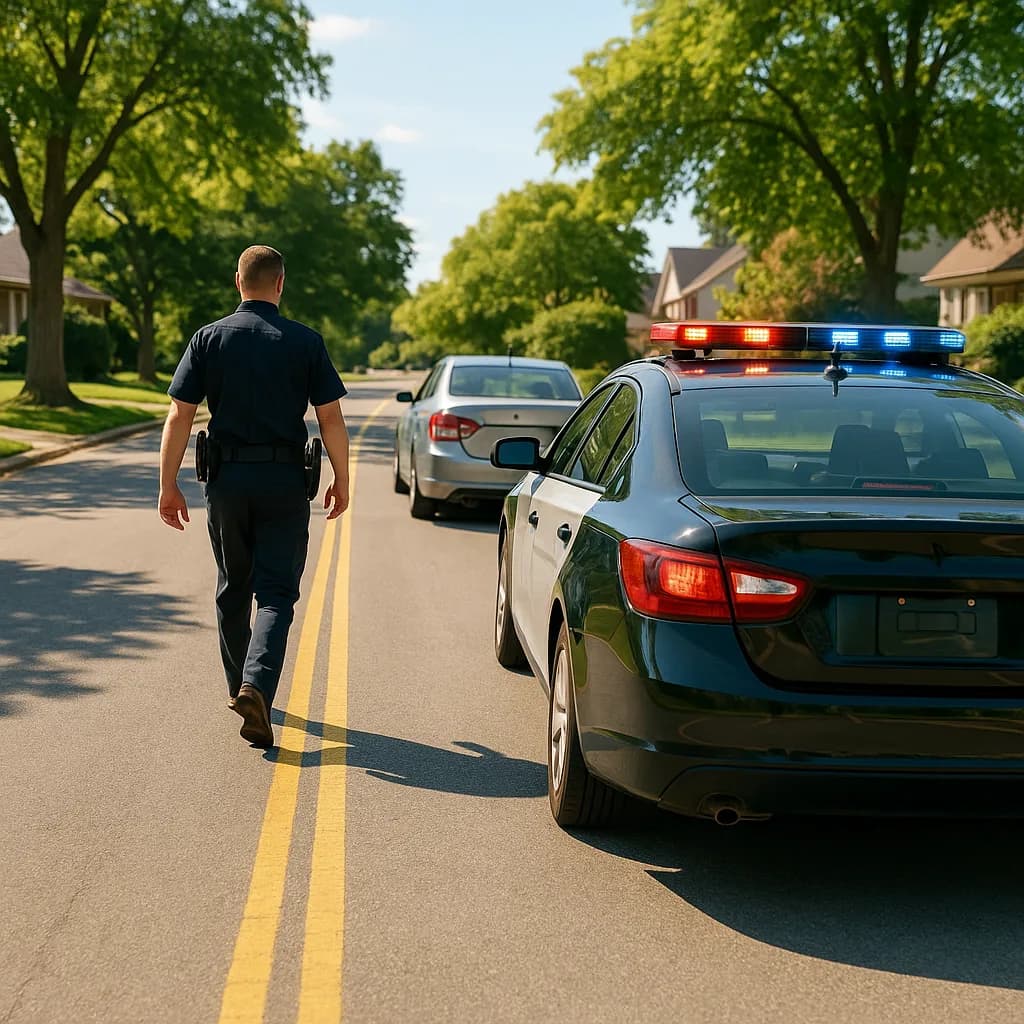
During this period, your license remains suspended. You cannot drive legally, even though you paid the fee. If you are stopped, the officer will see an active suspension. Driving on a suspended license in Colorado is a misdemeanor and can extend your suspension or trigger additional penalties. Wait for the reinstatement confirmation before you drive.
Colorado Reinstatement Processing
20 business days
The Division of Motor Vehicles requires up to 20 business days to process reinstatement after payment and verification of all requirements. This timeline applies to most administrative suspensions and cannot be expedited.
Probationary License During Suspension
Colorado offers a Probationary Driver License (Red License) for drivers whose suspension stems from points accumulation. This hardship license allows limited driving for employment purposes while the suspension is active. It does not apply to DUI suspensions, unpaid fines, or uninsured-driver suspensions — only points-based suspensions are eligible.
To request a probationary license, contact the Division of Motor Vehicles Driver Control hearing section at 303-205-5606. You must provide proof of employment, proof of insurance meeting state minimums, and surrender your regular license. The probationary license restricts you to driving to and from work or performing employment duties. You cannot drive for personal errands, and you cannot operate commercial vehicles. Violating the restrictions voids the probationary license and can extend your suspension.
Confirm Reinstatement Before You Drive
After 20 business days, check your reinstatement status online through the Colorado DMV website or call Driver Control. The system updates when reinstatement is complete, and you can verify that no holds remain on your license. If reinstatement processed, you can drive immediately — no additional paperwork is required unless your suspension required SR-22 filing, in which case you must maintain that filing for the full required period (typically three years).
If reinstatement did not process after 20 days, call Driver Control to identify the delay. Common blockers include missing proof of insurance, an incomplete driver improvement course, or an unresolved hold from another agency. Resolve the blocker and confirm the new processing timeline. Do not assume reinstatement is automatic after payment — verify before you drive.