
Proof of Insurance Rules — Colorado
Free to compare
What Colorado Accepts as Proof of Insurance
Colorado law recognizes both physical insurance cards and electronic proof displayed on your phone as valid documentation during a traffic stop, at vehicle registration, and when requested by law enforcement. The state does not require you to carry a printed card — a digital version from your carrier's app or a photo of your declaration page satisfies the legal requirement under C.R.S. 42-4-1409.
The documentation must show your name, policy number, coverage effective dates, the vehicle identification number or license plate, and the carrier's name. If any of these elements is missing or illegible, the document does not count as proof, and you can be cited for driving without insurance even if you have an active policy. Officers and DMV clerks verify coverage in real time through the state's electronic database, but you still must produce a document that matches what the system shows.
“A current insurance card does not prove you were insured on the date of a past violation — reinstatement requires a carrier letter showing coverage was active on the suspension date.”
Get More Than the Colorado Minimum for Less
Get My Colorado Car Insurance Quote$500
Colorado Uninsured Driving Penalty
First-offense penalty for driving without proof of insurance or without an active policy. Subsequent offenses carry higher fines, and the DMV can suspend your registration and license under the Compulsory Insurance Law.
Colorado Revised Statutes 42-4-1409
When Digital Proof Works and When It Doesn't
Digital proof works at traffic stops and when registering a vehicle at a county motor vehicle office. Officers and clerks accept a carrier app screenshot, an emailed PDF, or a photo of your declaration page as long as the image is clear and shows all required fields. Colorado does not mandate a specific app or format — any readable electronic display counts.
Digital proof does not work if your phone is dead, the screen is cracked to the point of illegibility, or you cannot unlock the device when asked. Officers are not required to wait while you charge your phone or retrieve a document from email. If you cannot produce proof at the moment of the stop, you receive a citation and must show proof to the court or DMV later to clear it.
When reinstating a suspended license or registration, the DMV requires proof that coverage was active on the date of the violation or suspension. A current insurance card does not satisfy this requirement — you must provide a declaration page or a letter from your carrier stating the policy was in force on the specific date in question. Many drivers learn this only after arriving at the DMV with a current card and being turned away.

A current insurance card does not prove you were insured on the date of a past violation. Reinstatement requires a carrier letter or declaration page showing coverage was active on the specific suspension date.



How Traffic Stops and Citations Work
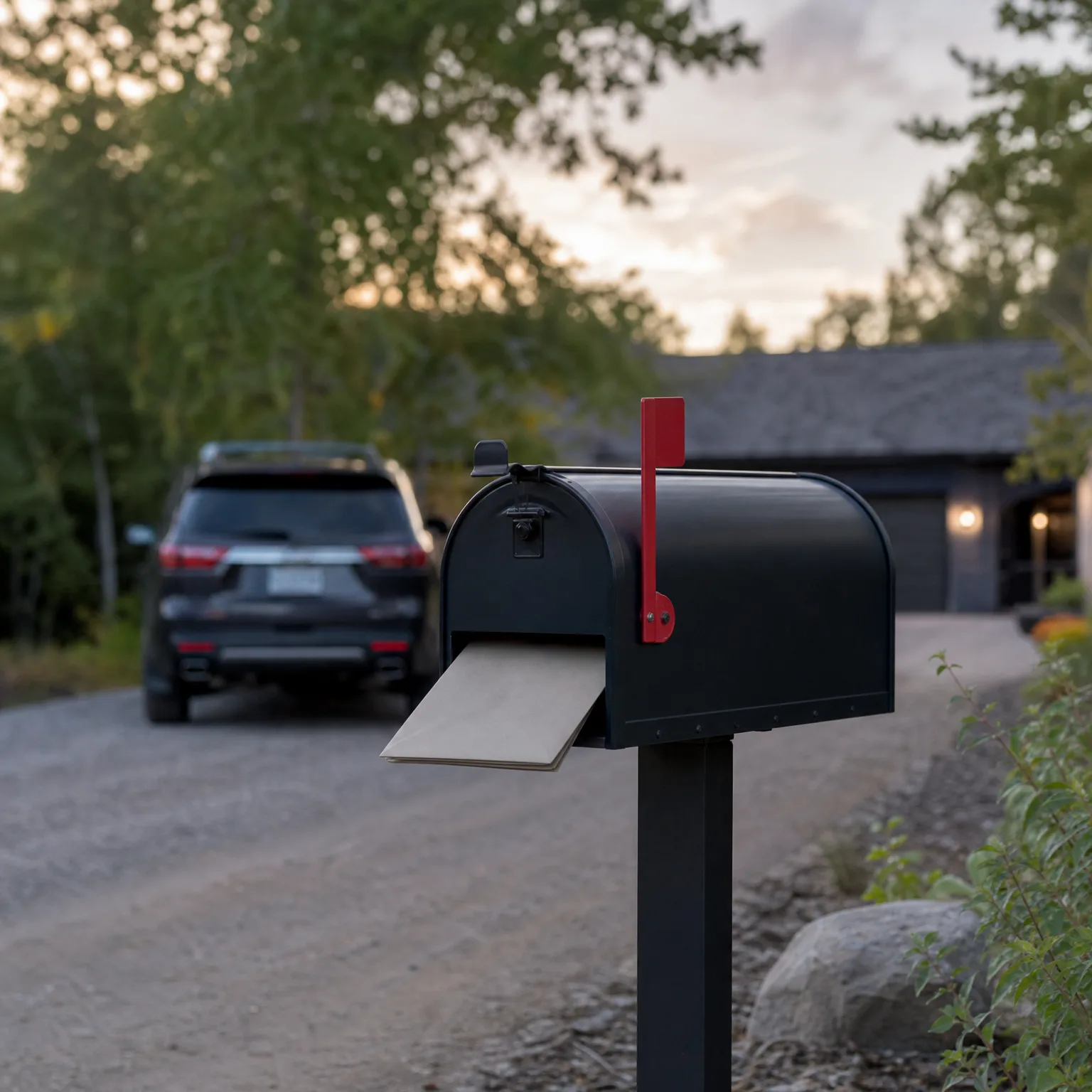
When an officer asks for proof of insurance, you must produce a document immediately. If you cannot, the officer issues a citation under C.R.S. 42-4-1409. The citation does not mean you are uninsured — it means you failed to provide proof at the stop. You can clear the citation by showing proof to the court or the DMV within the timeframe stated on the ticket, typically 20 days.
If you were insured at the time of the stop but could not produce proof, the citation is dismissed once you provide documentation. If you were not insured, you face the $500 penalty, and the DMV begins a suspension process under the Compulsory Insurance Law.
Officers verify coverage through the state's electronic database during the stop, but the database is not always current. If you just purchased a policy or switched carriers, the new coverage may not appear in the system for 24 to 48 hours. Showing a digital or printed card from the new carrier usually satisfies the officer, but if the database shows no coverage, you may still receive a citation and must clear it later by providing proof that the policy was active at the time of the stop.
19.7%
Colorado Uninsured Motorist Rate
Nearly one in five Colorado drivers operates without insurance, the seventh-highest uninsured rate in the country. This rate drives the importance of carrying proof and the state's aggressive enforcement of the Compulsory Insurance Law.
Insurance Research Council, 2023

Reinstatement Documentation Requirements
Reinstating a suspended license or registration after a lapse or violation requires proof that you carried insurance on the date the suspension was triggered. A current insurance card does not satisfy this requirement — the DMV needs a document showing coverage was active on the specific date in question. Most carriers provide a declaration page or a letter stating the policy effective dates and confirming coverage on the suspension date. Request this document from your carrier before going to the DMV.
If you are reinstating after a DUI, DWAI, or alcohol-related revocation, you must also file an SR-22 certificate, which your carrier submits electronically to the DMV. The SR-22 filing period lasts 3 years from the conviction date, and any lapse in coverage during that period triggers a new suspension and restarts the 3-year clock.
What Happens If You Show Expired or Incorrect Proof
Showing an expired insurance card at a traffic stop or during registration results in the same penalty as showing no proof at all. The document must show coverage dates that include the current date. If your policy renewed but you are still carrying the old card, the officer or clerk may issue a citation or deny registration until you provide current documentation. Many drivers keep old cards in their glove box and pull the wrong one without realizing it — check the effective dates before handing over the document.
If the name on the insurance card does not match the name on your license or the vehicle registration, the document does not count as proof. This happens most often when a vehicle is titled to one household member but insured under another's policy, or when a driver is listed on a family policy but the card shows only the policyholder's name. In these cases, bring a declaration page that lists all covered drivers and vehicles, not just the generic card the carrier mailed.
Keep Proof Accessible in Every Vehicle
Colorado does not require you to carry a physical card, but having one in each vehicle eliminates the risk of a dead phone or a forgotten password during a traffic stop. Store a printed card or a saved PDF in your glove box, and keep a digital copy in your phone's photos or your carrier's app. If you manage multiple vehicles on one policy, make sure each car has its own proof document — a generic card that does not list the specific VIN can be rejected at registration or during a stop.
When you add a vehicle, switch carriers, or renew your policy, update the proof in every car immediately. The 24- to 48-hour delay between policy activation and database filing means the electronic system may not reflect your current coverage, and the document you carry is the only proof you can produce on the spot. Compare rates and coverage options for all your household's vehicles at Colorado car insurance requirements, and make sure every driver in your household knows where the proof is stored and what counts as valid documentation under Colorado law.
What the DMV Checks During Registration
The clerk enters your policy information into the system and confirms that your carrier has filed an active policy for the vehicle you are registering. If the database shows no coverage or a lapsed policy, the registration is denied on the spot. Bringing a document that does not match the database — because you switched carriers and the new carrier has not yet filed, or because your policy lapsed and you renewed it that morning — delays the transaction until the system updates, which can take 24 to 48 hours.
If you are registering a newly purchased vehicle, your existing policy's grace period covers the new car for a limited window, typically 30 days, but the DMV still requires proof that the vehicle has been added to your policy. A declaration page showing the VIN or a carrier letter confirming the addition satisfies this requirement. A generic insurance card that does not list the new vehicle does not.
Get Your Free Quote
Get My Colorado Car Insurance QuoteFrequently Asked Questions
Does Colorado accept a photo of my insurance card on my phone?
Yes. Colorado law accepts electronic proof of insurance displayed on your phone, including a photo of your card, a carrier app screenshot, or an emailed PDF. The document must show your name, policy number, coverage dates, the vehicle VIN or plate, and the carrier's name.
What happens if I can't show proof of insurance during a traffic stop?
You receive a citation under C.R.S. 42-4-1409, which carries a $500 penalty for a first offense. If you were insured at the time of the stop, you can clear the citation by showing proof to the court or DMV within the timeframe stated on the ticket, typically 20 days.
Can I use my insurance card to register a newly purchased vehicle?
Only if the card or a declaration page shows the new vehicle's VIN. Colorado's grace period covers a newly purchased car under your existing policy for up to 30 days, but the DMV requires proof the vehicle has been added to your policy before issuing registration.
What proof does the DMV require to reinstate a suspended license?
The DMV requires a declaration page or carrier letter showing you had active coverage on the date the suspension was triggered. A current insurance card does not satisfy this requirement.
Does the insurance card need to list every driver in my household?
The card must list the policyholder and the vehicle. If you are a household member driving a car insured under someone else's policy, bring a declaration page that lists all covered drivers and vehicles, not just the generic card that shows only the policyholder's name.
How long does it take for a new policy to show up in Colorado's database?
Typically 24 to 48 hours after your carrier files the policy electronically. If you are pulled over or registering a vehicle during this window, show your digital or printed card from the new carrier — officers and clerks usually accept it even if the database has not updated yet.