
Roadside Assistance on Multi-Car Policies — Colorado
Free to compare
The Per-Vehicle Charge Most Households Miss
You're reviewing your Colorado auto policy renewal, and you see a roadside assistance line item. You assume it's one charge covering every vehicle on the policy. You add it, expecting to pay once. When the bill arrives, you're charged for each car separately — the sedan, the SUV, and the truck all carry their own roadside line, and the total is triple what you expected.
Roadside assistance through your auto carrier almost always charges per vehicle, not per policy. That structure makes sense when you own one car, but it scales poorly when you insure three or four. A standalone membership from an auto club covers the member across any vehicle they drive, including rentals and vehicles they don't own. The choice between carrier-based and club-based roadside hinges on how many vehicles sit on your policy and who in your household actually needs the coverage.
“Carrier roadside charges per vehicle. A four-car household pays four separate line items, even if only one driver ever calls for service.”

Get More Than the Colorado Minimum for Less
Get My Colorado Car Insurance Quote$25,000 / $50,000 / $15,000
Colorado Minimum Liability Limits
Colorado requires $25,000 bodily injury per person, $50,000 per accident, and $15,000 property damage. These minimums apply to every vehicle on your policy, but roadside assistance is an optional add-on priced separately per car.
Colorado Division of Motor Vehicles
How Carrier Roadside Pricing Works on Multi-Car Policies
When you add roadside assistance through your auto carrier, the charge attaches to each vehicle listed on the policy. If your policy covers three cars, you pay three separate roadside charges. Carriers structure it this way because the coverage follows the vehicle, not the driver. Any authorized driver operating that specific car can request service, and the carrier dispatches based on the vehicle identification number tied to the policy.
The per-vehicle model works well for households where every car gets driven regularly and multiple drivers share vehicles. It breaks down when you own a rarely-driven classic, a backup vehicle, or a car garaged most of the year. You're paying for roadside on a vehicle that seldom leaves the driveway, and the coverage doesn't transfer when you drive a rental or borrow a friend's car.
Multiply that by the number of vehicles on your policy. That annual cost often exceeds the price of a standalone auto club membership that covers the member, not the vehicle.
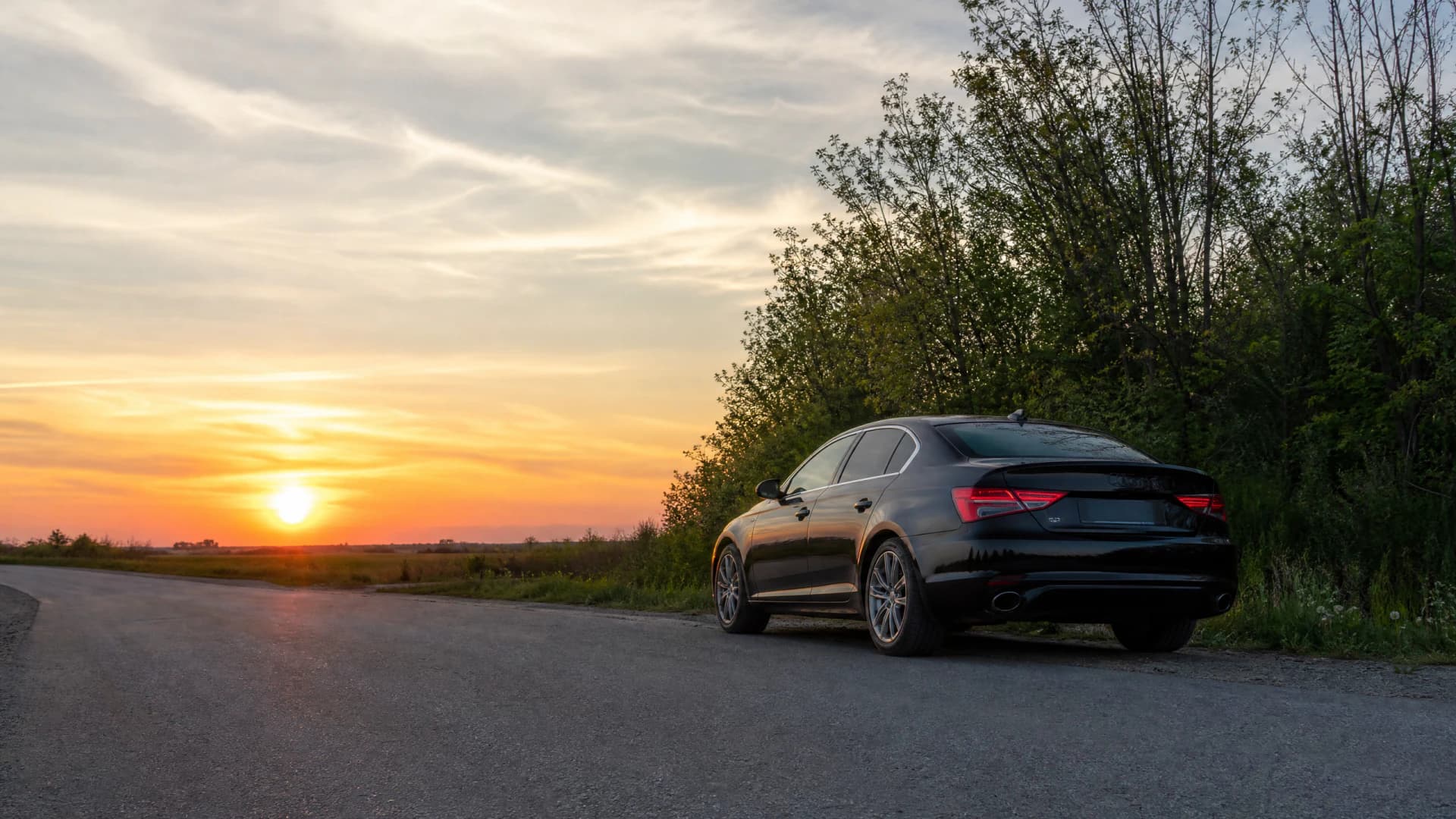
Carrier roadside charges per vehicle. A four-car household pays four separate line items, even if only one driver in the household ever calls for service.
Related Articles





When Carrier Roadside Makes Sense for Multi-Car Households
Carrier roadside works best when every vehicle on your policy gets driven regularly by different household members. A family with a commuter sedan, a work truck, and a teenager's car benefits from vehicle-specific coverage, because each car faces its own breakdown risk and the drivers aren't always the same person. The per-vehicle charge distributes the cost across the actual exposure.
It also makes sense when you want consolidated billing. Adding roadside to your auto policy means one fewer membership to track, one fewer renewal date to remember, and one payment channel for all your vehicle-related coverage. Some carriers bundle roadside into their policy packages at a discount, particularly for households insuring three or more vehicles. If your carrier offers a multi-car discount that includes roadside, the per-vehicle cost may drop below standalone membership pricing.
Carrier roadside typically includes unlimited service calls, while standalone memberships cap the number of calls per year. If your household has older vehicles prone to frequent breakdowns, the unlimited-call structure can justify the per-vehicle cost. Check your carrier's service limits carefully — some cap towing distance at five or ten miles, which may not cover the distance to your preferred repair shop.
19.7%
Colorado Uninsured Motorist Rate
Nearly one in five Colorado drivers operates without insurance. Uninsured motorist coverage protects you when an at-fault driver can't pay, but roadside assistance addresses mechanical breakdowns and flat tires unrelated to collision risk.
Insurance Research Council, 2023

When a Standalone Membership Beats Carrier Roadside
A standalone auto club membership beats carrier roadside when you insure three or more vehicles but only one or two drivers in the household actually need coverage. The membership covers the person, not the fleet.
Standalone memberships also win when your household includes rarely-driven vehicles. If you own a classic car garaged nine months a year, a backup vehicle used only for errands, or a project car that sits in the driveway, paying per-vehicle carrier roadside wastes money. The membership model lets you drop coverage on vehicles that don't need it while keeping protection for the driver who does most of the driving.
Compare the Annual Cost Before Adding
Calculate the total annual cost of carrier roadside across every vehicle on your Colorado policy. Multiply the per-vehicle monthly charge by twelve, then by the number of cars. Compare that figure to the annual cost of a standalone membership for each driver in your household who regularly operates a vehicle. Factor in whether you rent cars frequently, whether you drive vehicles not on your policy, and whether your household includes rarely-driven cars.
If the carrier total is lower and every vehicle gets regular use, add roadside through your policy. If the standalone membership costs less or covers scenarios your carrier roadside doesn't — rentals, borrowed vehicles, travel flexibility — choose the membership. You can always add carrier roadside later if your household's vehicle count or driving patterns change. Colorado carriers let you add or remove roadside mid-term without penalty; the change adjusts your premium at the next billing cycle.
Standalone Membership vs Carrier Add-On
A standalone auto club membership covers the member across any vehicle they drive. You can call for service whether you're in your own car, a rental, a borrowed vehicle, or even a friend's car you're driving with permission. The membership follows you, not the vehicle identification number. Most memberships include a set number of service calls per year — typically three to five — and cover towing, battery jump, lockout, flat tire change, and fuel delivery. Premium tiers extend towing distance and add perks like trip planning and discounts.
Carrier-based roadside ties to the vehicle. Any authorized driver on your policy can request service for that specific car, but the coverage doesn't travel with you when you drive a different vehicle. If you rent a car on vacation or borrow a vehicle, your carrier roadside won't cover it. The per-vehicle charge model makes carrier roadside cost-effective for single-car households or households where every vehicle gets equal use. It becomes expensive quickly when you insure multiple cars, because you're paying for coverage on vehicles that may sit idle most of the time.
Get Your Free Quote
Get My Colorado Car Insurance QuoteFrequently Asked Questions
Does roadside assistance on my Colorado auto policy cover all my vehicles with one charge?
No. Roadside assistance through your carrier charges per vehicle, not per policy. If you insure three cars, you pay three separate roadside line items. A standalone auto club membership covers the member across any vehicle they drive, including rentals and borrowed cars.
Can I use my carrier roadside assistance when driving a rental car in Colorado?
No. Carrier-based roadside assistance follows the vehicle listed on your policy, not the driver. If you rent a car or borrow a vehicle, your carrier roadside won't cover it. A standalone membership covers you across any vehicle you drive with permission.
Is it cheaper to add roadside through my carrier or buy a standalone membership for a multi-car household?
It depends on vehicle count and driver behavior. Calculate your total carrier cost and compare.
Does Colorado require roadside assistance on my auto policy?
No. Colorado requires $25,000 bodily injury per person, $50,000 per accident, and $15,000 property damage liability. Roadside assistance is an optional add-on. You can meet state requirements without it.
Can I drop roadside assistance from some vehicles on my policy but keep it on others?
Yes. Most Colorado carriers let you add or remove roadside per vehicle. If you own a rarely-driven car, you can drop coverage on that vehicle and keep it on your daily drivers. The change adjusts your premium at the next billing cycle.
How many service calls does carrier roadside assistance include per year in Colorado?
Most carriers offer unlimited service calls, but check your policy for towing distance limits. Some cap towing at five to ten miles, which may not reach your preferred repair shop. Standalone memberships typically cap calls at three to five per year but offer longer towing distances.