
Collision Coverage for Multi-Car Policies — Colorado
Free to compare
When Collision Coverage Applies to Some Vehicles but Not Others
You're insuring two, three, or four vehicles on one Colorado policy and trying to decide whether collision coverage belongs on every car. Single-car advice assumes every vehicle on your policy has the same value and the same risk exposure, but that's rarely true for a household managing multiple cars.
Collision coverage is priced and applied per vehicle, not per policy. You can carry it on your financed SUV, drop it from your 12-year-old sedan, and skip it entirely on a rarely-driven truck — all on the same policy. The multi-car discount applies to your liability premium regardless of which vehicles carry collision, so dropping collision from one car does not forfeit the household discount. The decision is vehicle-specific, and Colorado's $25,000/$50,000/$15,000 minimum liability requirement does not dictate what you do with collision.
“Collision is priced per vehicle — dropping it from one car does not affect the multi-car discount or coverage on your other vehicles.”

Get More Than the Colorado Minimum for Less
Get My Colorado Car Insurance Quote$25,000/$50,000/$15,000
Colorado Minimum Liability Limits
Colorado requires $25,000 bodily injury per person, $50,000 per accident, and $15,000 property damage. These minimums apply to every vehicle on your policy, but collision coverage is optional and priced separately for each car.
Colorado Division of Motor Vehicles
What Collision Coverage Actually Pays For
Collision coverage pays to repair or replace your vehicle after a crash with another car or object, regardless of fault. If you back into a pole, hit a guardrail, or total your car in a multi-vehicle accident you caused, collision covers your vehicle's damage minus your deductible. Liability coverage pays for the other driver's car; collision pays for yours.
The coverage applies only to the specific vehicle named on the policy. If you carry collision on your 2022 Honda CR-V but not on your 2011 Toyota Camry, a crash involving the Camry leaves you paying out of pocket for that car's repairs. The carrier does not extend collision from one vehicle to another on the same policy.
Collision pays the actual cash value of your vehicle at the time of the loss, minus your deductible. When a vehicle's value drops below the point where a total-loss payout minus the deductible leaves you with meaningful recovery, collision stops making financial sense for that car.
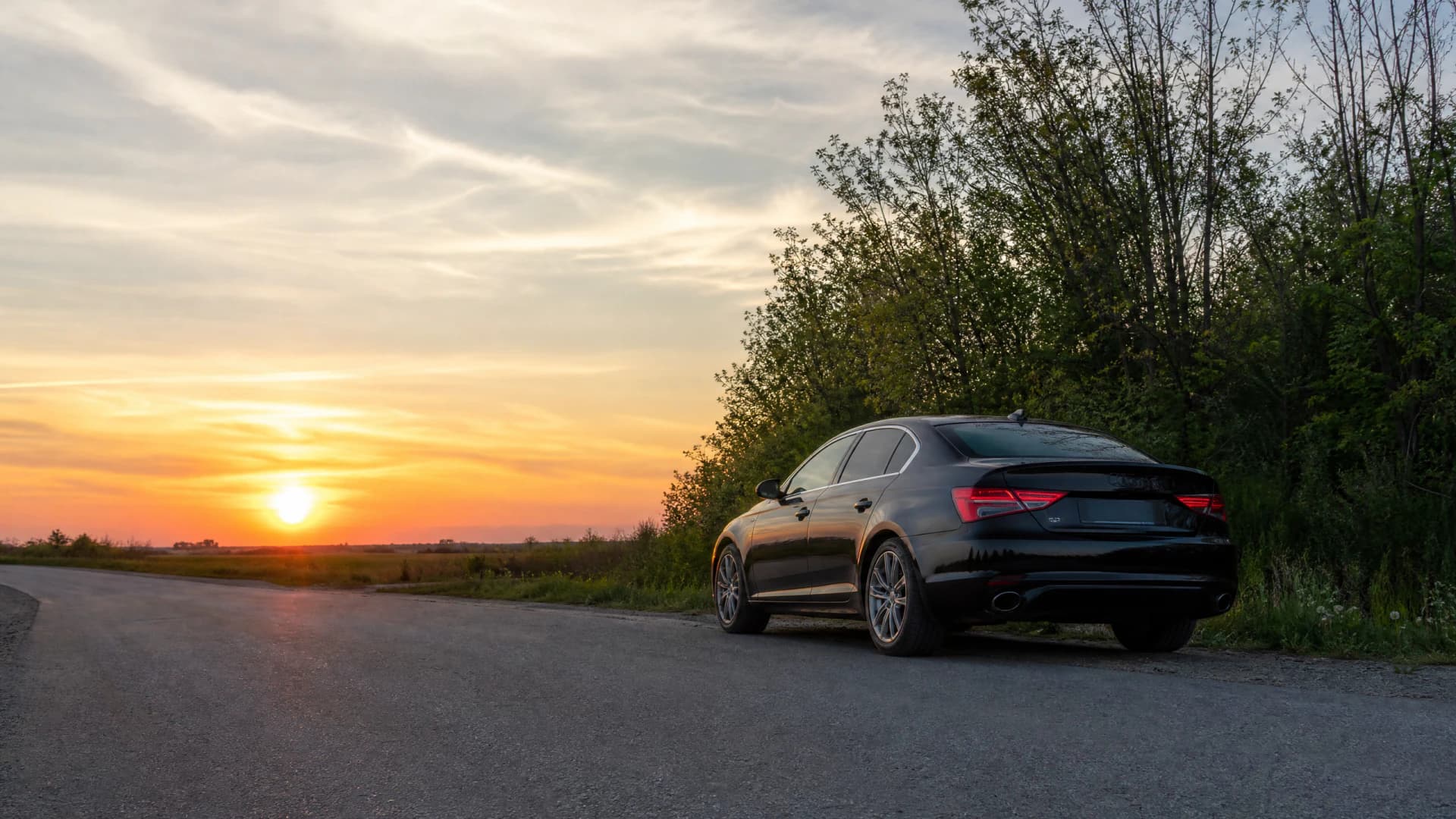
Collision is priced per vehicle. Dropping it from one car on your multi-car policy does not affect the multi-car discount or the collision coverage on your other vehicles.
Related Articles




How Dropping Collision from One Vehicle Affects Your Policy
Removing collision from one vehicle on a multi-car policy lowers your total premium but does not change the structure of the policy or the multi-car discount. Colorado carriers calculate the multi-car discount based on the number of vehicles insured under one policy, not on the coverage levels you select for each car. Dropping collision from your older sedan while keeping it on your newer SUV preserves the household discount.
The carrier re-rates your policy when you make a mid-term change. If you drop collision from one vehicle halfway through your six-month term, the carrier recalculates your premium from that date forward and issues a prorated refund or adjusts your next payment. The change does not reset your policy term or affect renewal timing.
Liability, uninsured motorist, and comprehensive coverage remain in place on the vehicle even after you drop collision. Collision is the only coverage you're removing. The vehicle stays on the policy, and you continue meeting Colorado's minimum liability requirement for that car. If you later decide to add collision back — for example, after replacing the older vehicle with a newer one — the carrier will re-rate the policy again and adjust your premium upward.
19.7%
Colorado Uninsured Motorist Rate
Nearly one in five Colorado drivers carries no insurance. Uninsured motorist coverage protects you when an at-fault driver cannot pay for your vehicle damage, and it applies separately from collision. Collision covers your damage regardless of fault; uninsured motorist covers your damage when the other driver is at fault but uninsured.
Insurance Research Council, 2023
Deductible Strategy Across Multiple Vehicles
When you carry collision on more than one vehicle, you select a deductible for each car individually. A higher deductible lowers your premium; a lower deductible means you pay less out of pocket at claim time. The deductible you choose for your financed SUV does not have to match the deductible on your paid-off sedan.
A common strategy for multi-car households: carry a lower deductible on the higher-value vehicle you drive daily, and a higher deductible on the secondary or lower-value car. The higher deductible on the less-driven car reflects lower exposure — fewer miles driven means lower collision risk.
Compare Carriers That Write Multi-Car Policies in Colorado
Collision pricing varies significantly across carriers, and the variation compounds when you're insuring multiple vehicles. One carrier may price collision aggressively on newer vehicles but high on older ones; another may offer better rates for households with multiple paid-off cars. The multi-car discount itself also varies — some carriers apply a larger discount when you insure three or more vehicles, others apply the same discount regardless of vehicle count beyond two.
Colorado licenses dozens of carriers that write multi-car policies, including State Farm, Geico, Progressive, Allstate, Farmers, USAA, American Family, and Travelers. Not every carrier prices collision the same way, and not every carrier applies the multi-car discount to the same coverage components. Compare quotes with identical coverage selections across at least three carriers to see how collision pricing differs per vehicle. Request quotes with collision on all vehicles, then request a second set with collision removed from your lower-value cars — the difference shows you exactly what collision costs per vehicle and whether dropping it makes sense for your household.
Which Vehicles on Your Policy Need Collision
If a vehicle is financed or leased, the lender or leasing company requires collision coverage until the loan is paid off or the lease ends. You cannot drop it without violating the financing agreement, and the lender will force-place coverage at a higher cost if you let your policy lapse. This requirement applies per vehicle — your financed car must carry collision, but your paid-off car on the same policy does not.
For a paid-off vehicle, collision makes sense when the car's value is high enough that a total-loss payout minus your deductible would cover a meaningful portion of replacement cost. A common threshold: if the vehicle is worth less than ten times your deductible, collision becomes expensive relative to the payout. For rarely-driven vehicles or older cars with low market value, dropping collision and self-insuring that risk is often the better financial decision.
Get Your Free Quote
Get My Colorado Car Insurance QuoteFrequently Asked Questions
Can I carry collision on one vehicle but not another on the same Colorado policy?
Yes. Collision coverage applies per vehicle, not per policy. You can carry it on your financed or higher-value car and drop it from your paid-off or lower-value vehicle without affecting the multi-car discount or the rest of your policy.
Does dropping collision from one car lower my multi-car discount in Colorado?
No. Colorado carriers calculate the multi-car discount based on the number of vehicles insured under one policy, not on the coverage levels you select for each car. Dropping collision from one vehicle lowers your premium but does not change the discount structure.
What happens if I drop collision and then total my car in Colorado?
You pay out of pocket to replace the vehicle. Collision coverage is the only part of your policy that pays for your own car's damage in an at-fault crash. Liability covers the other driver's car; collision covers yours. Without it, you self-insure that risk.
Do I need collision on a car I rarely drive in Colorado?
Not if the car is paid off and its value is low. Collision makes sense when the vehicle's value justifies the premium cost. A rarely-driven car with low market value is often better self-insured — you drop collision and accept the risk of paying for repairs yourself.
Can I add collision back to a vehicle after dropping it in Colorado?
Yes. Contact your carrier and request to add collision coverage back to the vehicle. The carrier will re-rate your policy from that date forward and adjust your premium upward. The change does not reset your policy term.
Does Colorado require collision coverage on any vehicle?
No. Colorado requires liability coverage only: $25,000 bodily injury per person, $50,000 per accident, and $15,000 property damage. Collision is optional unless your lender or leasing company requires it as a condition of financing.